


Housing & Construction Finance Outlook
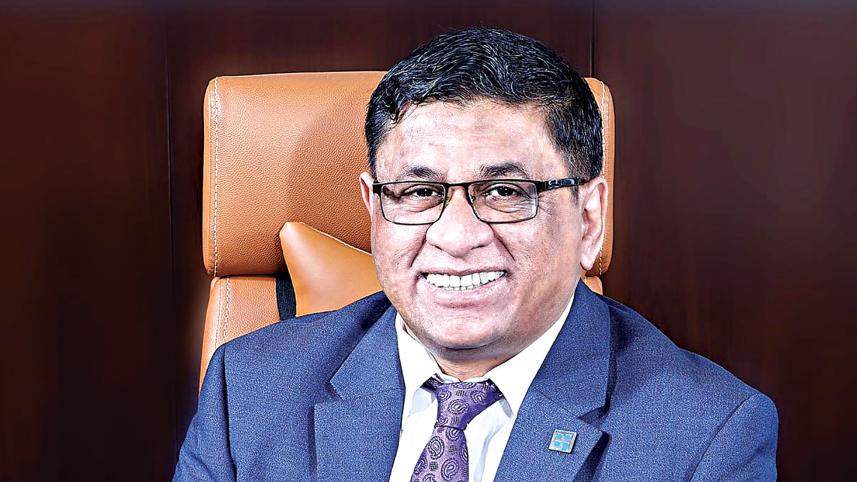
Sohail R. K. Hussain, Managing Director, Bank Asia PLC.
Bank Asia shares insights on landscape of home loan and construction finance. Their strategic approach to fostering growth through innovative products, digital transformation, and a strong commitment to sustainable practices, align with the demographic shift, economic pressures, and a growing demand for housing finance.
 For all latest news, follow The Daily Star's Google News channel.
 The Daily Star (TDS): What trends are you seeing in home loan or construction finance demand in the last 2-3 years?
Sohail R. K. Hussain (SRKH): Over the last three years, the housing finance sector in Bangladesh has evolved in response to demographic shifts and rising urban aspirations. While the post-pandemic recovery spurred demand for homeownership, inflationary pressure and costlier raw materials have moderated high-end housing growth. The strongest momentum now comes from mid-income and semi-urban buyers seeking smaller, energy-efficient homes.
At Bank Asia, we have observed robust growth in affordable and mid-segment mortgage portfolios, supported by Bangladesh Bank's house building schemes for loans below BDT 75 lakh. Simultaneously, construction finance demand from small and medium developers is increasing.
TDS: How are interest rate movements and regulatory shifts affecting homeownership or construction projects?
SRKH: Bangladesh Bank's focus on taming inflation and improving liquidity governance is helping stabilise credit flow. At Bank Asia, we mitigate rate sensitivity through diversified funding sources, expanding CASA deposits, and leveraging our strong digital base to reduce operating costs—benefits that we pass on to customers.

TDS: What products or schemes (e.g., green housing loans, women's housing finance, SME developer financing) are gaining traction?
SRKH: Innovation remains at the heart of Bank Asia's product strategy. Working with the below sub-segments to create more focus
l Green Home Loan – incentivising eco-friendly projects (solar rooftops, rainwater harvesting, energy-efficient design).
l Women's Home Finance – preferential pricing and flexible documentation for female entrepreneurs and professionals.
l NRB Home Loan – allowing non-resident Bangladeshis to invest in housing through remittance-linked repayment solutions.
l SME Developer Finance – structured facilities for small developers and construction supply-chain participants.
TDS: How is the bank supporting sustainable or smart housing projects?
SRKH: Bank Asia views sustainability not as compliance but as an opportunity here. We integrate ESG (Environmental, Social & Governance) principles into credit appraisal and encourage green-certified materials, energy-efficient architecture, and waste-management features. We are financing smart housing ecosystems where digital meters, security, and automation reduce resource waste. Through partnerships with real-estate associations, IoT firms, and renewable-energy providers, we link financing incentives with measurable sustainability performance. Additionally, our participation in Bangladesh Bank's Green Transformation Fund and climate-resilient infrastructure initiatives.

TDS: What are the key challenges developers or buyers face in accessing finance, and how are you addressing them?
SRKH: The key challenges for both developers and homebuyers in Bangladesh remain centred around limited access to long-term financing, procedural delays, and stringent documentation requirements. Developers often struggle with project-based funding due to inadequate collateral structuring and extended approval timelines, while buyers face complex eligibility assessments and property valuation inconsistencies.
To address these, Bank Asia is transitioning toward a fully centralised and standardised retail lending model, ensuring consistent credit assessment and efficient service delivery across all branches.
Bank Asia is addressing these challenges by embracing digital solutions for future transitions, including:
l Digitised property verification systems and linkage with municipal databases;
l Partnerships with REHAB and credit-rating agencies to assess developer reliability; and
l End-to-end digital loan processing, which has cut turnaround time by over 30 per cent.
TDS: Are there any innovative partnerships or digital solutions (apps, paperless processing, AI risk tools) that have made housing finance easier?
SRKH: We've digitised the retail loan journey from application to approval through our advanced web-based lending platform. Customers can conveniently apply for any retail loan directly via our website, where our integrated internal software manages the entire process from initiation to approval, significantly reducing turnaround time. We are now in the process of incorporating home loans into this same digital platform, making the experience even more automated, seamless, and customer-friendly.
TDS: What's your outlook on the housing market in 2025–26, and how is your bank positioning itself to support that growth?
SRKH: While near-term rate pressure and inflation may test affordability, demographic growth, urbanisation, and remittance inflow will sustain long-term demand.
Bank Asia's strategy for 2025–26 focuses on:
1. Digitally scalable mortgage platforms to widen reach beyond metros;
2. Green and sustainable financing pipelines integrated with ESG metrics;
3. Partnerships with developers, tech providers, and municipal authorities to ensure responsible growth; and
4. Customer-centric innovation—aligning financial advice, insurance, and after-sales support within one ecosystem.
Comments