


The paw prints left behind


There is a particular kind of grief reserved for those who have loved an animal long enough to watch them grow old.
It is quiet, private. It is the sort of ache that barges straight into your chest during the most ordinary moments of the day -- opening the front door, reaching for a snack, turning over in your bed expecting to feel fur at your feet or a ball of warmth pressed against your tummy.
 For all latest news, follow The Daily Star's Google News channel.
 Losing a pet is like witnessing your child age in fast-forward, knowing there is nothing you can do to slow the clock down even a little.
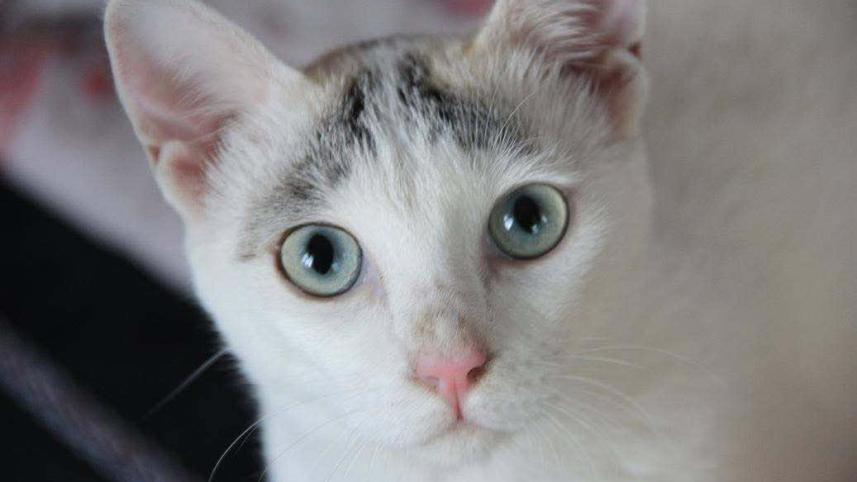
You notice the tiny changes first -- a stumble that never came before, the way their eyes begin to cloud or their hesitation in responding to their name, even though they still greet you with the same untamed joy they had as babies.
They do not realise their bodies are failing them. They only know you are home. So, they wiggle, hop or run toward you with the same unfiltered delight, and you pretend time is not pulling them in, inch by inch.
Then other signs creep in. They no longer see the toy waved in front of them, they do not run at the sound of their snack pack opening, they misjudge distances they had memorised before. They sleep more deeply, breathe more heavily, choose your lap over the sunshine.
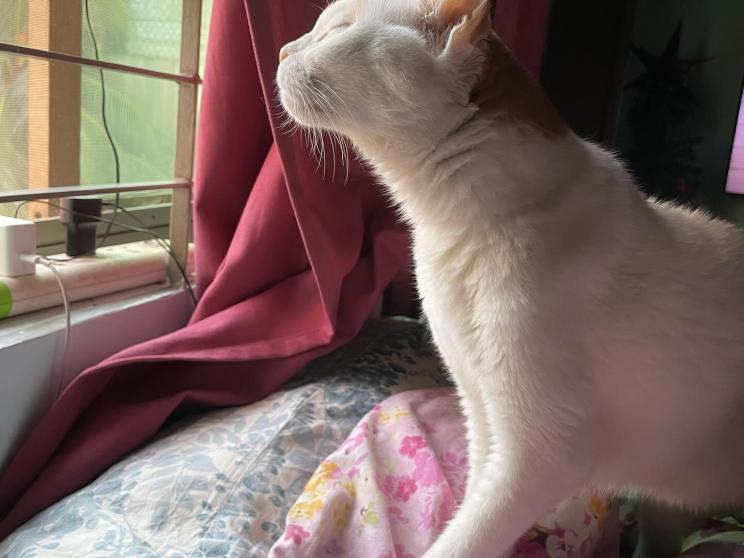
You tell yourself this is normal, that old age comes for all living things.
But behind that acceptance sits the knowledge that you are watching someone you love move closer to the edge, long before you are ready to let them go.
Loving an animal for many years means choosing inevitable heartbreak. You watch them grey before you do. You watch their joints stiffen, their steps slow, their bodies shrink into fragility. They rely on you until their last breath, and then, cruelly, you are the one left relying on memories.
Memories that return like ghosts.
We have lost three children already. Frida, who came to us at three days old, rain-soaked and eyes still shut, and stayed for nine gentle years. Leo, my first cat, who lived till almost 20 and held me through every heartbreak, every panic, every night I wanted to disappear into the dark. And now Padfoot, my silly, soft, sunshine-soaked girl who gave us nearly 16 years of belly-rubbing, biscuit-sharing, door-waiting devotion and joy.
Each of them grew old and frail in front of our eyes. Each of them taught us a different language of love. And each of them took away pieces of our hearts when they left.
No matter how much time passes since they leave your side, at the stillest of moments, you remember the dog who flipped onto her back for some love at the sight of a stranger entering the house. The cat who sensed every shift in your emotions and curled onto your chest as if his purr could mend your grief. The lazy, gentle girl who believed she was human because she had been raised with such softness from the moment she opened her eyes.
They age, and you steady them. They falter, and you hold them. They fade, and you pretend you do not see how quickly life is carrying them away from you.
Sometimes they leave suddenly, before that doctor's appointment, before the diagnosis, before you have even understood that worry had turned into danger. Other times they drift slowly as you watch helplessly, their breaths shallower, their steps smaller, until one day you look at them and realise you are saying goodbye.
They were your comfort through heartbreaks, your witness through years you barely survived, your reason to come home early. They were your laughter, your warmth, your companion in silence, your soft place in a harsh world.
And when they go, it is not silence that hits you first. It is the memory of sound -- the tip-tap of happy footsteps coming towards you, the purr that steadied your heartbeat, the crackling of food that comforted you in the knowledge that they were eating well and were safe.
You continue living because life insists on moving forward, but nothing feels the same.
You still find their fur on your blanket and clothes, you still call the wrong name by accident, you still glance at the doorway expecting a small silhouette waiting faithfully for your return. Your hands still curl the way they did when you used to pick them up.
From our first five, we now have two left -- Kahlo, 14, and Raphael, 12.
The others who came after are still babies, teenagers in their world. But I cannot shake the fear of losing all of them tomorrow, now that I have already lost so much love.
But I suppose this is what it means to love an animal deeply. You give them all your years and they give you all of theirs. And somehow, it is never enough.
But here is the truth that softens the sharpest edge of grief -- they never leave the rooms they loved. They remain in the memories, the routines, the parts of you they changed for the better.
And in that gentle, lingering way, they stay forever.
And maybe that is the quiet mercy of this kind of love -- that even after their bodies grow tired and slip away, the love they leave behind keeps breathing inside you for the rest of your life.
Comments