


Bridging the skills gap for a sustainable Bangladesh
Bangladesh is entering a defining decade that will determine whether its vast youth population becomes the engine of sustainable growth or a missed opportunity. With nearly two-thirds of its population in the working-age group, the country holds a powerful demographic advantage that will gradually narrow over time. Yet this promise is challenged by persistent gaps in education quality, digital and gender divides, and a job market struggling to absorb young talent, most of whom remain engaged in informal, low-wage work. While the nation has sustained impressive economic growth, opportunities for decent, future-focused employment remain limited, calling for an urgent need for modernized education, inclusive digital access, and stronger vocational pathways.
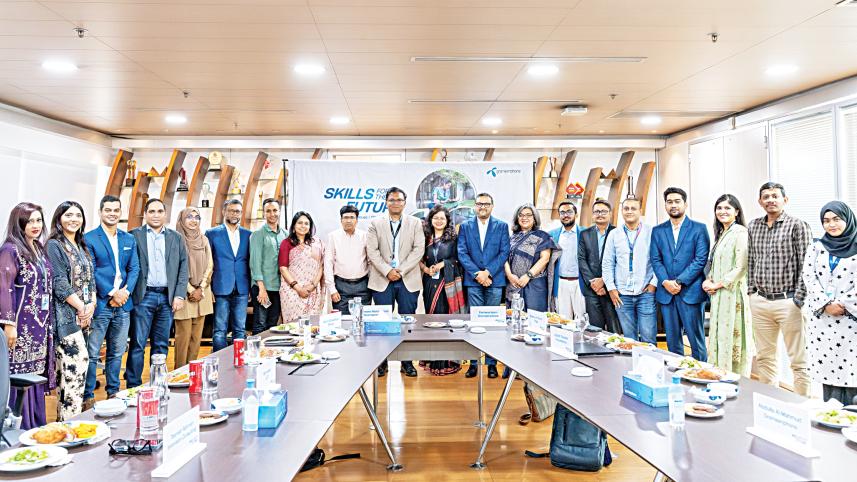
Against this backdrop, Grameenphone organized a roundtable titled "Skills for the Future", bringing together representatives from the ILO, UNDP, BYLC, LightCastle Partners, Innovision, TMSS (Thengamara Mohila Sabuj Sangha), and other youth and industry voices. The discussion, moderated by Farhana Islam, Director and Head of ESG, Grameenphone, focused on how Bangladesh can leverage its demographic dividend through future-ready skills, inclusive digital transformation, and green economic opportunities. Participants highlighted the urgent need to align education, Technical and Vocational Education and Training (TVET), and employability with emerging industry demands driven by AI, sustainability, and global market shifts.
 For all latest news, follow The Daily Star's Google News channel.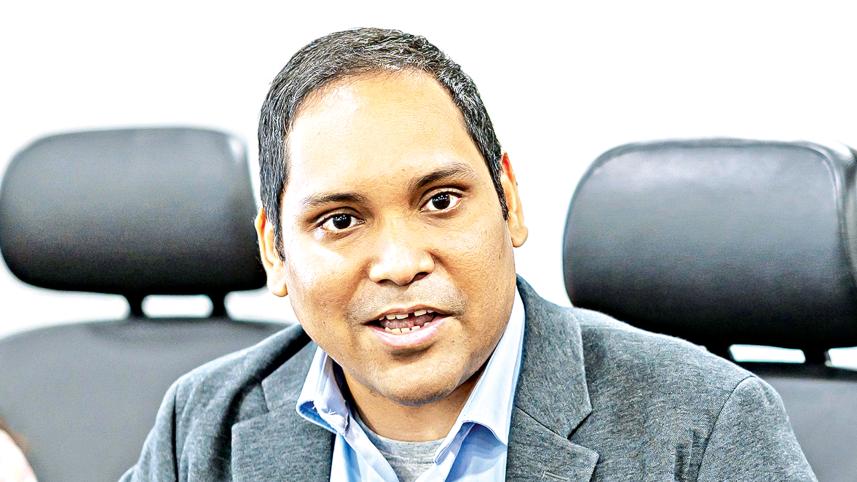
Bijon Islam
Co-founder and CEO,
Light Castle Partners
Bangladesh must urgently strengthen its foundation of employability and future-ready skills to remain competitive in a rapidly evolving global economy. Employers today are prioritizing problem-solving, adaptability, communication, and critical thinking as skills that bridge the gap between academia and industry. As artificial intelligence reshapes how people learn, work, and interact, digital fluency and AI literacy are becoming indispensable. Digital literacy is no longer just about using a computer, rather, it's about knowing what to ask and how to work intelligently with AI. A large proportion of Bangladesh's exports are destined for the European Union, where consumers and regulators are placing strong emphasis on sustainability. Green circularity, with a particular focus on Bangladesh's export-oriented sectors such as garments, textiles, and footwear is key to maintain competitiveness in these markets. and promote sustainability, resource efficiency, and circularity across industries like garments and footwear. Embedding these principles from leadership to factory floors will ensure Bangladesh's industries remain efficient, competitive, and globally relevant.

Ahsan Habib
Deputy Manager, Office of Professional Development, Bangladesh Youth Leadership Center (BYLC)
Equipping young Bangladeshis with both technical expertise and leadership traits is essential for long-term employability. Empathy, teamwork, and adaptability must complement technical skills to build a workforce that can thrive in change. Students under the National University system currently make up the majority of tertiary enrollment and they require targeted, hands-on upskilling through career counseling, physical training centers, and market-aligned curricula. In the future, employers will value problem-solvers over degree-holders. Focusing on STEM, AI, and language training such as Japanese and Chinese can open pathways for overseas employment and help transform Bangladesh's youth from job seekers into global contributors.
Tanveer Mohammad
Chief Corporate Affairs
Officer, Grameenphone
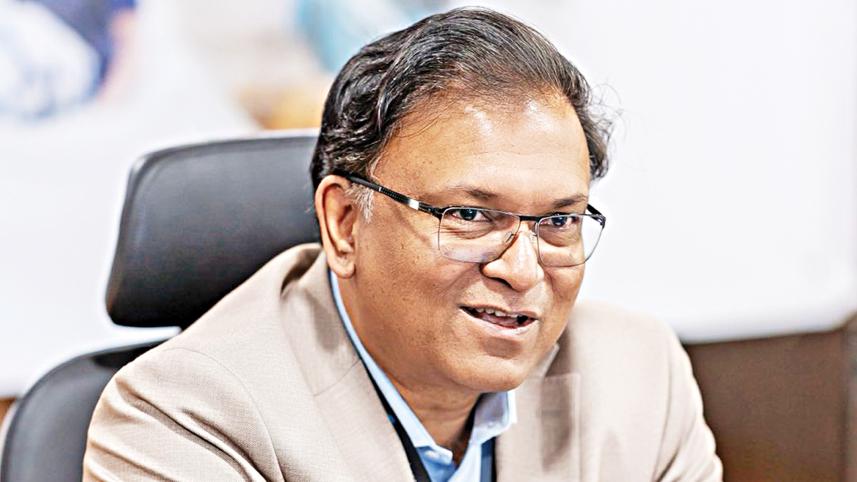
"Long-term growth depends on our ability to keep learning, not just earning. Social attitudes toward vocational education also need rebranding to make technical pathways aspirational."
True progress lies not just in income generation but in contribution to society. Bangladesh's skilling strategy must embrace lifelong learning, encouraging individuals to "learn, unlearn, and relearn" as industries evolve. Telecom operators can play a transformative role by expanding digital access, affordable learning platforms, and student data solutions nationwide. Long-term growth depends on our ability to keep learning, not just earning.
Social attitudes toward vocational education also need rebranding to make technical pathways aspirational. By prioritizing language skills, digital literacy, and green competencies, Bangladesh can empower youth to compete globally while ensuring that technology becomes a tool for empowerment, not exclusion.
Sayeda Tahya Hossain
Chief Human Resources Officer, Grameenphone
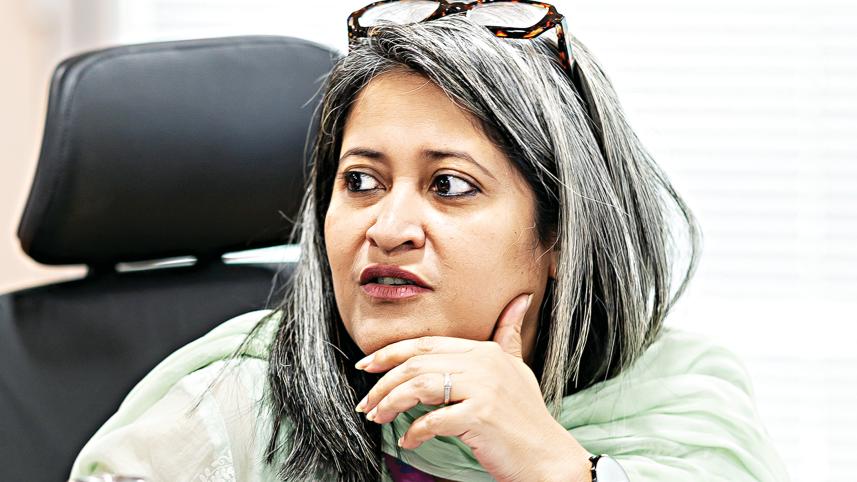
"At this point, AI is no longer a tool and is rather defining the very environment in which we work. As job roles evolve, workplaces must also adapt to what younger generations value most: flexibility, purpose, and lifelong learning."
Artificial intelligence is redefining the workplace just as COVID-19 once redefined digital readiness. The challenge now is to shift employees from task execution to value creation by blending human judgment with AI efficiency. This calls for upskills in data literacy, digital fluency, ethical AI use, and creative problem-solving. At this point, AI is no longer a tool and is rather defining the very environment in which we work. As job roles evolve, workplaces must also adapt to what younger generations value most: flexibility, purpose, and lifelong learning. Moreover, recruitment itself is moving beyond degrees toward demonstrable skills, ethics, and the capacity to adapt responsibly in a tech-driven world.

Saif Islam
Senior Program Officer,
International Labour
Organization (ILO)
"The question is no longer whether we can build skills. It's whether those skills lead to real jobs."
Technology is reshaping both white- and blue-collar jobs, demanding that Bangladesh reposition its workforce to use automation and AI as enablers, not threats. The country's TVET system must become more dynamic, coordinated, and aligned with real labor market needs. The question is no longer whether we can build skills. It's whether those skills lead to real jobs. Strengthening micro-credential programs, investing in future-oriented sectors such as logistics and sustainable packaging, and building sustainable financing models like payroll levies or co-financing will be essential. A national skills strategy that unites BEZA, BIDA, and BEPZA could help ensure Bangladesh's training ecosystem is both responsive and employment-driven.

Jyotish Talukdar
Programme Specialist (Private Sector Partnerships, Strategy & Business Development), UNDP
"The focus must shift from simply seeking jobs to creating sustainable 'work.' We need a national shift from job-seeking to opportunity-creating."
Each year, around 1.94 million students leave school without a clear path to meaningful employment. Bangladesh must address this by creating alternative work pathways through stronger support for SMEs, technical skills, and migration-readiness. The focus must shift from simply seeking jobs to creating sustainable "work." We need a national shift from job-seeking to opportunity-creating. Strategic investments, such as free internet for students or targeted training for overseas markets like Japan, can expand youth participation in the global economy. A coherent national framework is needed to guide youth entrepreneurship, remote work, and micro-enterprise, ensuring that growth is inclusive and opportunity-rich.
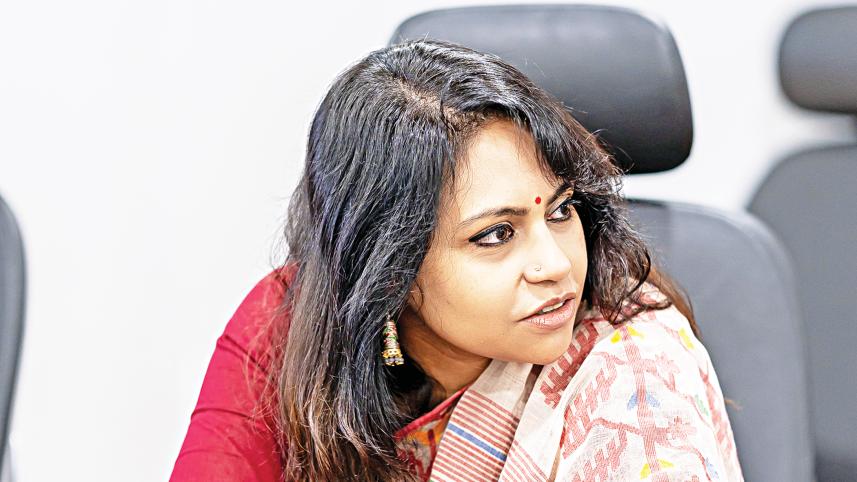
Tasmiah Rahman
Portfolio Director, Innovision
"To make skills inclusive, we must start early and make learning both practical and equitable."
Driving large-scale impact in skills development will require extensive collaboration between the private and public sectors. TVET programs should be made free and accessible for marginalized groups, inspired by traditional apprenticeship models that combine learning with practical exposure. To make skills inclusive, we must start early and make learning both practical and equitable. Women's entrepreneurship can be accelerated through micro-business training focused on access to finance, trade licenses, and digital tools. Future priorities should include AgriTech, smart value chains, and transferable overseas skills, while rigorous impact evaluation ensures accountability and continuous improvement.
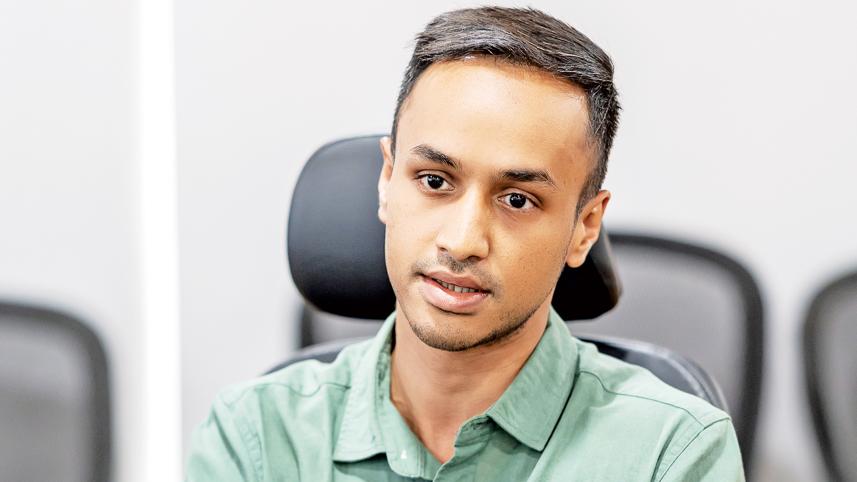
Shahir Chowdhury
Founder & CEO, Shikho
"EdTech is the bridge that can take quality education to every corner of Bangladesh."
Digital education can bridge Bangladesh's skills divide, provided that it is made inclusive and accessible through EdTech platforms. Micro-credential courses that certify industry-specific expertise can help young people quickly align with global job markets. EdTech is the bridge that can take quality education to every corner of Bangladesh. Expanding language training and embedding employable digital skills into e-learning ecosystems will ensure that education remains relevant, scalable, and future-ready for both local and overseas markets.
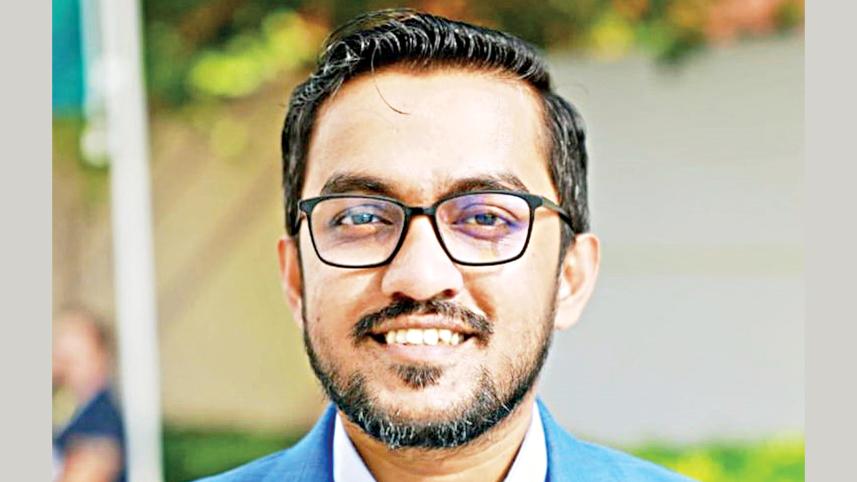
Mashrur H. Shurid
Co-founder & CEO, iPage
"When large companies engage with early-stage startups, they don't just share expertise, they share credibility."
Credibility in public–private partnerships remain a concern. Building trust requires ensuring that training programs prioritize regulatory compliance and good governance, which is essential not only for sustainable business practices but also for securing access to finance. When large companies engage with early-stage startups, they don't just share expertise, they share credibility. And such collaboration provides those startups with a powerful boost, helping young ventures gain the confidence of investors, partners, and customers.
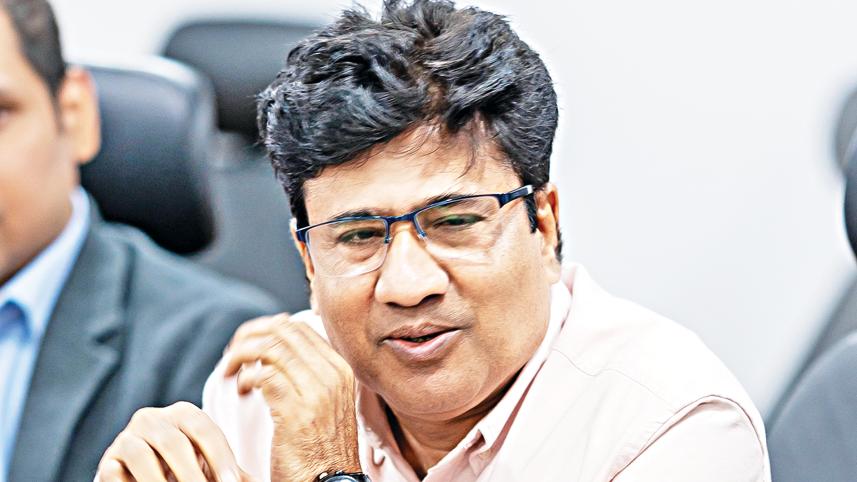
Mamunur Rashid
Deputy Director, TMSS
(Thengamara Mohila Sabuj Sangha)
"Empowering women and youth through skills is the surest path to inclusive growth."
TMSS is one of Bangladesh's leading women-focused and female led non-government organizations, dedicated to empowering women and alleviating poverty. Its initiatives span across skills development, microcredits, human rights, social justice, health and hygiene, disaster preparedness, climate action, and overall livelihood improvement, contributing significantly to the achievement of the Sustainable Development Goals (SDGs). Guided by its mission to ensure a life of dignity for all, TMSS promotes capacity building, adaptability, good governance, and active participation of women in development because we believe that empowering women and youth through skills is the surest path to inclusive growth. By integrating digital literacy, freelancing, and language training, TMSS demonstrates how grassroots-led initiatives can build national capacity and advance equitable development.

Tanzila Akter and Md. Mosharraf Hossain
University Students
"We're still learning coding on paper in an age of artificial intelligence."
Students highlighted several systemic challenges in Bangladesh's education and skills ecosystem. Representing the voice of the youth, both Tanzila and Mosharraf highlighted deep-rooted challenges in Bangladesh's education ecosystem. Outdated curricula, theoretical teaching methods, and an overemphasis on exam results hinder innovation and creativity.
They emphasized the need for hands-on learning, progressive course structures, and greater exposure to research and technology. Preparing National University students for meaningful employment requires shifting focus from rote learning to applied skills, curiosity, and innovation-driven education that truly prepares youth for modern work.
Key Takeaways
- Bangladesh's youth population stands at the heart of its development story as a potential powerhouse that can shape a sustainable and future-ready economy. But unlocking this dividend demands bold reform in education, skills, and policy. The coming decade will determine whether the country can harness its youth potential through strategic investments in skills, education reform, and digital inclusion. The nation must bridge the gap between academic learning and employability by investing in future-ready capabilities such as artificial intelligence, data analytics, green technologies, and soft skills by blending technical expertise with creativity and ethics.
- Reimagining Technical and Vocational Education and Training (TVET) through flexible, industry-linked, and micro-credential programs will be crucial to ensuring that learning translates into livelihood. Green and digital skills must be mainstreamed across sectors, while targeted language training in Japanese, Chinese, and Arabic can open doors to overseas employment and increased remittances.
- To sustain momentum, Bangladesh needs innovative financing models and stronger public–private partnerships that align training with market demand. A dynamic, industry-aligned skills framework supported by expanded micro-credentialing and stronger academia–industry partnerships is essential to ensure that training remains relevant to real-world needs.
- The way forward calls for uniting government, academia, and industries under a national skills framework that embeds sustainability, inclusivity, and adaptability at its core to transform Bangladesh's youth potential into a lasting force for growth and resilience.
Comments