


Strengthening Maternal and Child Health in Bangladesh: A Call to Build a Resilient Health System
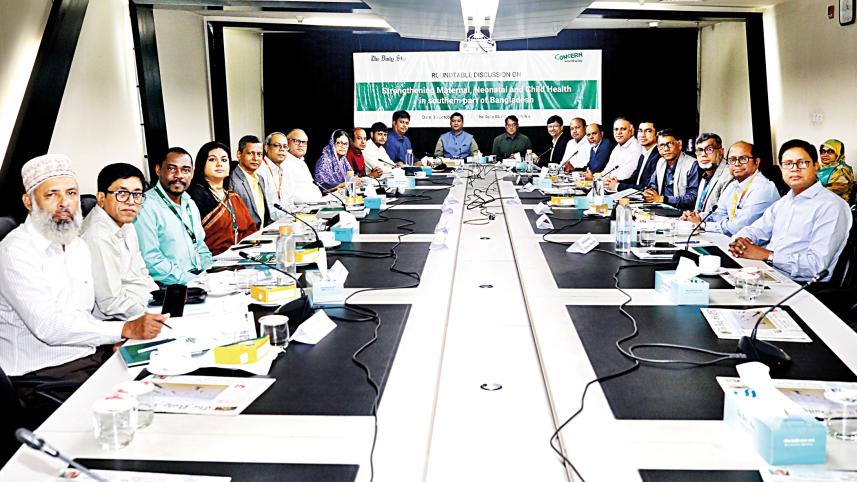
A roundtable titled "Strengthening Maternal, Neonatal and Child Health in Southern Bangladesh" was held on October 30, 2025, at The Daily Star Centre, Dhaka. Jointly organised by Concern Worldwide and The Daily Star, the dialogue brought together senior representatives from government agencies, development partners, and international and local organisations.
Participants highlighted the persistent gaps in maternal, neonatal, and child health services in climate-vulnerable coastal districts and explored practical, collaborative solutions to build a more equitable and resilient health system.
 For all latest news, follow The Daily Star's Google News channel.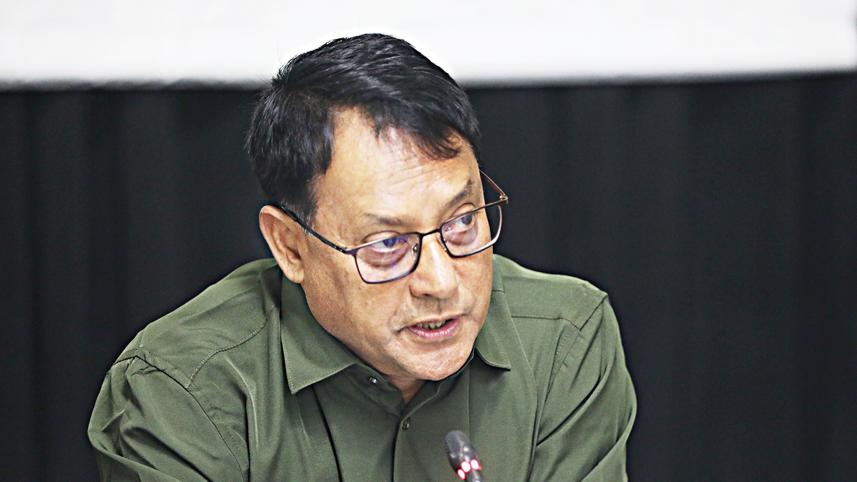
Md. Akhtaruzzaman
Managing Director, CCHST, Health Services Division, MoHFW
Bangladesh has 14,500 community clinics, one serving around 6,000 people, the largest health-sector reform in its history. For remote areas like haors, chars, and hill tracts, we plan clinics for every 2,000–3,000 people. The system has overemphasised curative care, neglecting promotion, prevention, hygiene, and childbirth preparedness. Challenges include doctor shortages, weak referral systems, and procurement issues. However, local engagement is the priority now. The community trust, having the Additional Secretary as the MD, also DCs and UNOs, has already been operationalised, needs to utilise the allotted fund properly to support the clinics financially and operationally. This is a scope for local engagement. By mobilising communities, individuals and institutions, alongside government efforts, we can strengthen primary healthcare, improve readiness, and ensure effective delivery of services across the country.
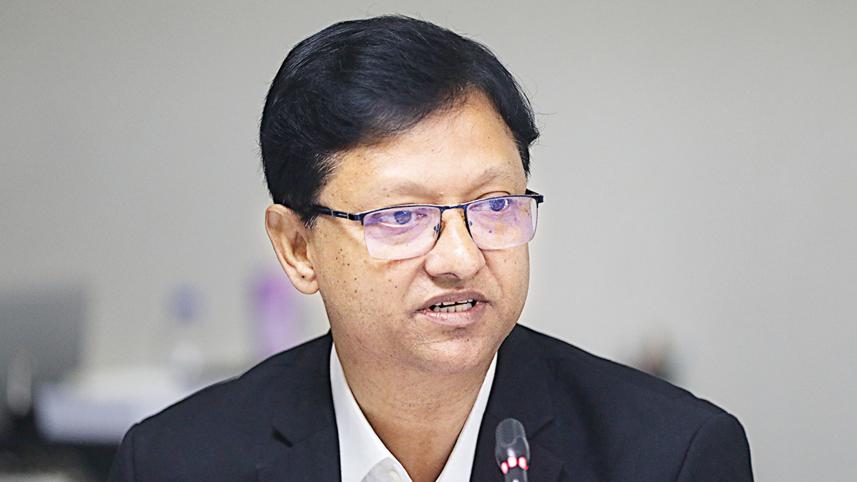
Dr Prof. Iqbal Kabir
Director, Climate Change Health Promotion Unit (CCHPU), Health Services Division, MoHFW
Based on my experience working in Patuakhali, particularly Golachipa and Rangabali, and after 30 years in government service, I want to propose four key solutions in terms of building a resilient health sector. Firstly, we must strengthen human resources, ensuring skilled midwives, specialists, and support staff. Then the supply chain should have separate plans for the dry season, monsoon, and emergencies. Thirdly, transport solutions like amphibian ambulances, mobile MNCH clinics, and emergency contingency funds for local managers are essential. Finally, climate-resilient, youth- and women-led community engagement is critical for sustainable health adaptation in the southern region.
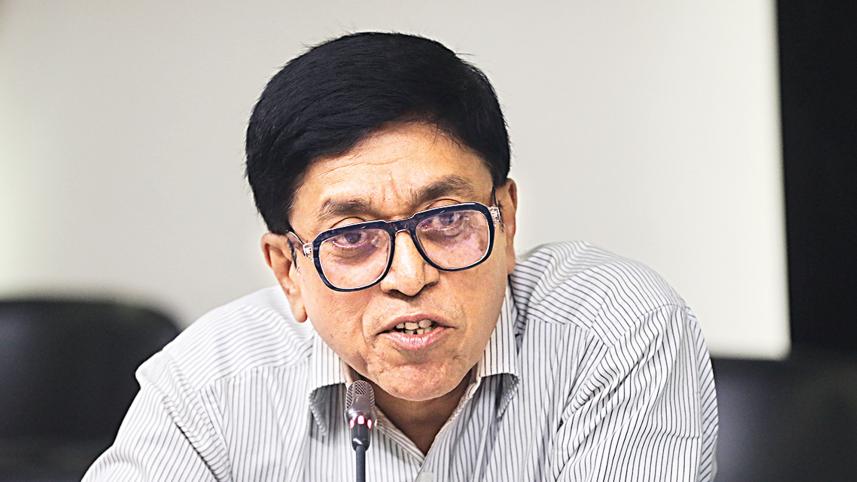
Dr. Nasir Ahmed
Director (MCH - Services) , MCH - Services Unit , DGFP
Barguna and Patuakhali highlight a national crisis in family planning and maternal health services as union-level Family Welfare Centres face severe manpower shortages and deteriorating infrastructure. Essential supplies such as DDS and delivery kits have been resumed despite the lack of fuel, transport maintenance, and operational funding, which is a positive sign. However, the number of trained Family Welfare Visitors is declining as recruitment has been halted, and many are retiring. Meanwhile, Family Welfare Assistants are unable to function effectively due to limited basic registers and field support. Digital MIS reporting and satellite clinics are suspended. With institutional deliveries already dropped by around 20,000, urgent action is needed to prevent the hard-won maternal and child health gains.
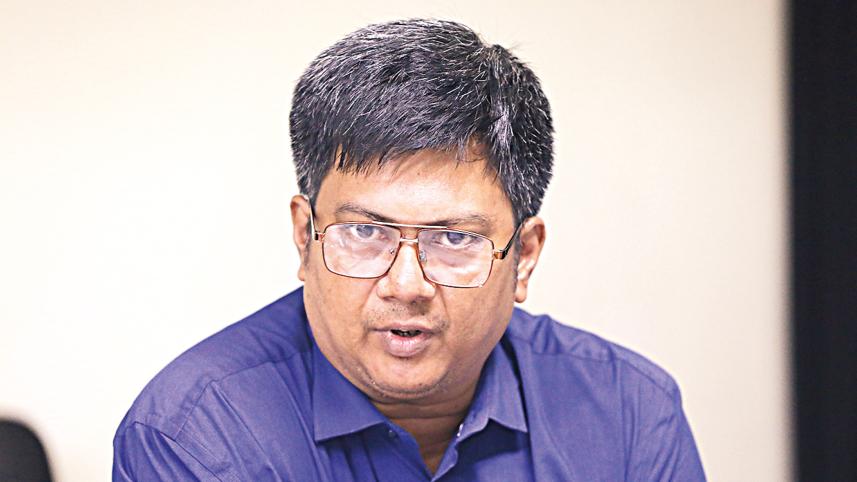
Dr Mohammad Zakaria Rana
Assistant Director, Planning and Research, DGHS
Coastal and rural health facilities face continuous workforce shortages and infrastructure gaps. The transition from the fifth sectoral plan to a revenue-based system is underway, with a two-year DPP for essential drugs and CBC services pending finalisation. A five-year DPP focusing on primary healthcare and maternal, child, and adolescent health is also progressing. The government is restructuring the upazila and district-level health organogram and recruiting third and fourth-grade staff. Community clinics continue to play a vital role, each serving around 6,000 people, but strengthening the referral system and ensuring sufficient staff, including HI and AHI, are needed. Development partners such as UNICEF and Save the Children support with manpower and operational needs. However, once the revenue-based DPP becomes operational, the full scope of challenges and required investments will become more evident.
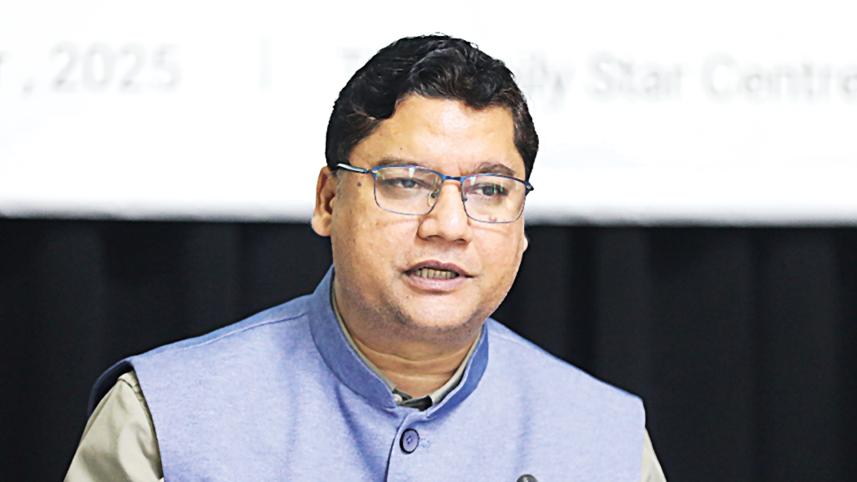
Manish Kumar Agrawal
Country Director, Concern Worldwide
Locally led programming is essential for sustainable improvements in maternal, neonatal, and child health. While communities are vulnerable, they also possess valuable knowledge about their needs, capacities, and the barriers they face, insights that national-level actors may not fully grasp. Issues such as child marriage and early pregnancy cannot be effectively addressed without community engagement. Bringing together local government, civil society, and community actors ensures that development programs become context-appropriate, inclusive, and more sustainable. Moreover, local participation strengthens accountability, as communities are best positioned to monitor service delivery and mobilise beneficiaries. High out-of-pocket healthcare costs place a significant burden on families. Therefore, increased government investment and meaningful local involvement are crucial for the effectiveness of health programs.
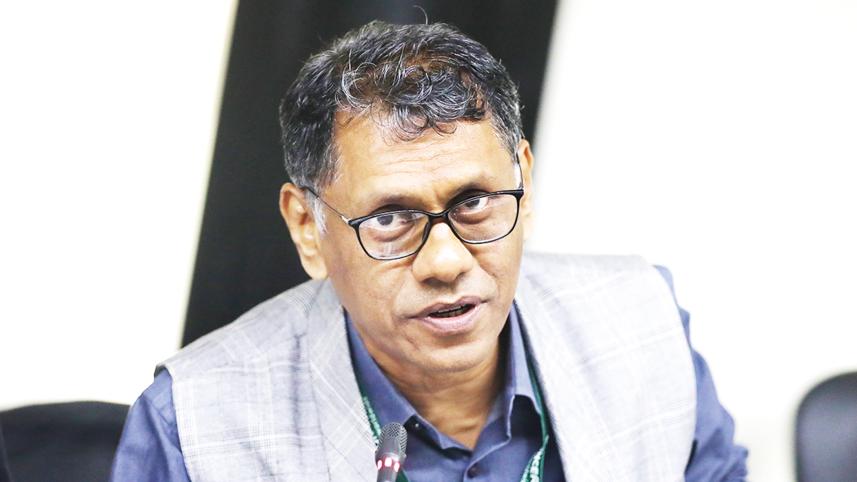
Dr Sheikh Shahed Rahman
Programme Director, Concern Worldwide (Keynote Speaker)
Over the past two decades, Bangladesh has made notable progress in health and development, with increased life expectancy and a substantial reduction in maternal and child mortality, yet equitable healthcare access remains a challenge amid rising climate risks. Frequent Floods, cyclones, and disease outbreaks are common nowadays. Recognising these intersecting vulnerabilities, Concern Worldwide prioritises climate-affected districts such as Barishal, Patuakhali, and Barguna, where maternal and child health indicators persistently fall behind national averages. According to BDHS 2022, only 41 percent receive antenatal care in Barishal Division; postnatal care and institutional deliveries are also lagging. By focusing on these high-risk geographies, Concern aims to strengthen climate-resilient primary health care services, protect the health and well-being of vulnerable groups, and contribute to reducing preventable maternal, newborn, and child morbidity and mortality. Concern's resilience strategy integrates Health, Nutrition, and Livelihood programs, aligned with National Health and Nutrition Policy, and the National Adaptation Plan, and strengthens climate-resilient RMNCAH services through training health workers, infrastructure support, and improved local planning. However, health financing remains a challenge, with public spending under 1% of GDP. We now must advocate for increased and effective health financing, timely resource allocation, and integration of gender-responsive and climate-smart strategies across the health system.
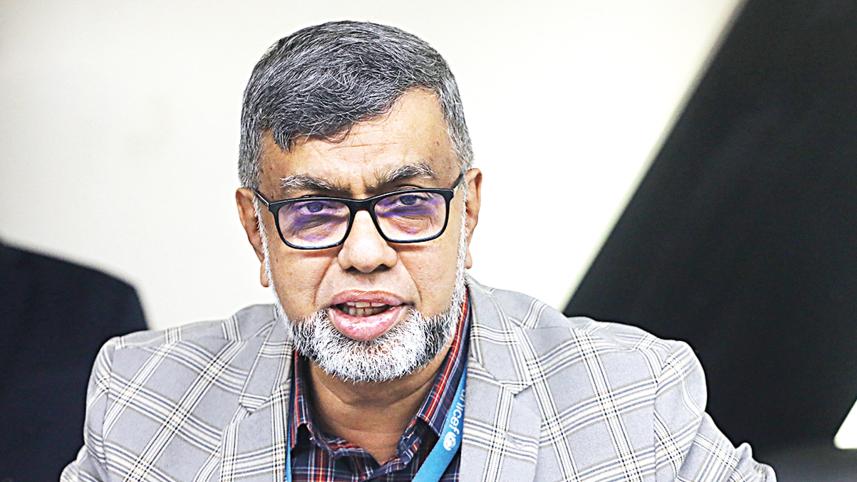
Dr Dewan Md Emdadul Hoque
Health Manager, MNCAH, UNICEF
We continue to face systemic challenges in the health sector. Firstly, allocated funds for HR are not being used, as 60% of the positions remain vacant. Secondly, due to the weak governance and accountability system, the challenges are not being addressed properly. Thirdly, national health facility surveys show persistent gaps in basic and emergency obstetric care at district and upazila levels. So, we are now advocating for the deployment of trained midwives, stronger primary care, community engagement in the community clinics and climate-resilient infrastructure. I think we should now focus on renovating existing facilities instead of building new ones.
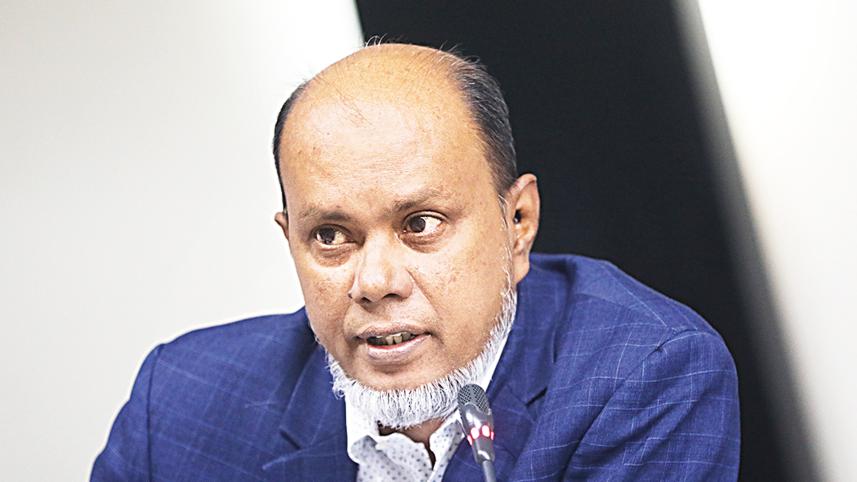
Dr Mohammad Shafiqul Islam
Health Advisor, British High Commission in Dhaka (FCDO)
Bangladesh's climate commitments remain largely unfulfilled. Despite pledging at COP26 to build zero-carbon and climate-resilient health systems, no meaningful progress has occurred. I'm stressing that climate adaptation must be integrated into a national health plan, backed by evidence-based action. The health ministry's climate unit is understaffed and underfunded, reflecting poor coordination and accountability. To break this cycle of inaction, accountability is a must. The media can hold the government accountable for issues such as the drastic decline in institutional deliveries. Also, we should move beyond mere funding and instead leverage knowledge and technology from development partners to build effective, resilient systems.
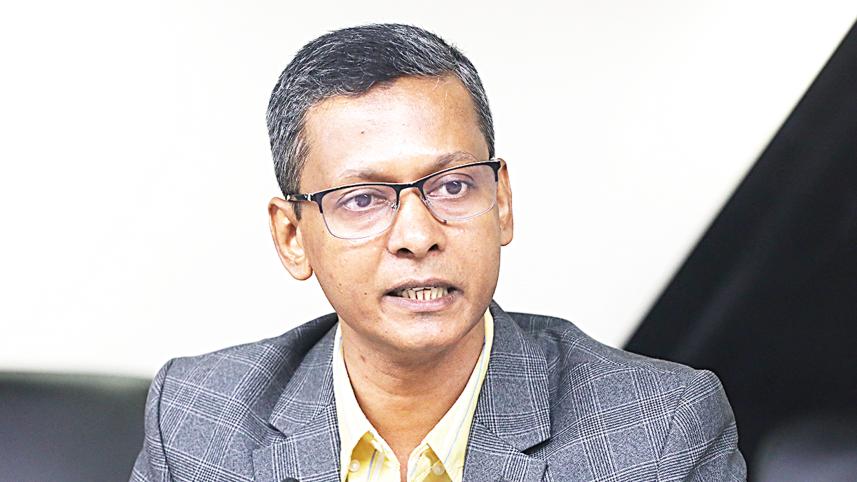
Dr Abu Sayed Md Hasan
SRHR Specialist, UNFPA
A lack of proper planning during the transition from the sector-wide approach to DPPs has disrupted access to maternal and reproductive health services, causing a 20% drop in institutional deliveries over six months due to shortages of essential drugs and contraceptives, with 60% of facilities out of stock. This may increase maternal and newborn mortality. According to WHO and global evidence, Bangladesh must urgently increase health sector allocation to at least 5% of GDP. Stronger investment in primary healthcare and deployment of skilled midwives, about 25,000, nationwide to ensure quality, community-level SRHR services and reduce reliance on private facilities are also essential.
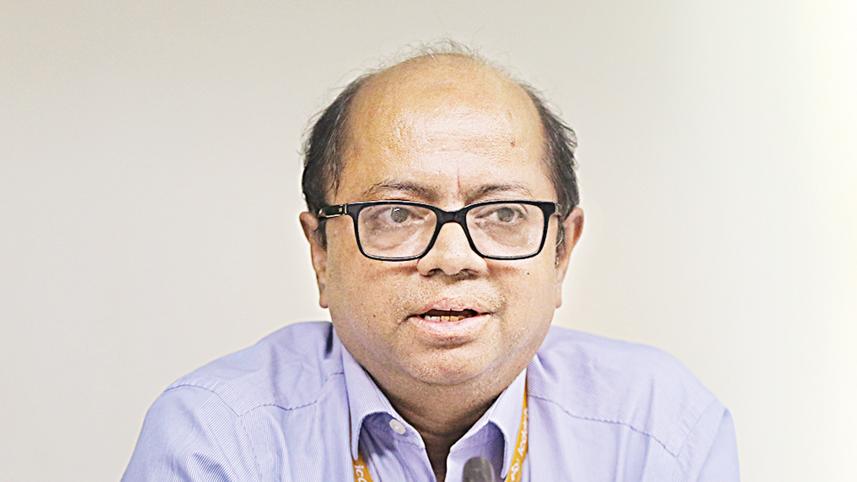
Dr Aminur Rahman Shaheen,
MBBS, MSc, PhD, Scientist, Maternal, Newborn and Child Health Unit, Maternal and Child Health Division, icddr, b, Bangladesh
Accurate data is essential for effective planning in maternal and child health. Long-term research in Matlab and Chakoria shows rising salinity is linked to higher miscarriage rates, highlighting the need to consider climate impacts in policy. Despite challenges such as Cyclone Amphan and COVID-19, innovative solutions have shown success. For example, using a digital bangle that provides pregnancy-related voice messages doubled the NC rate; at the baseline, it was 23%, and at the end line, it was 44%, in climate-affected areas. Another program, Reaching Every Mother and Newborn (REMN), improved ANC, facility delivery, and postnatal care in several districts. These local data can be identified by engaging communities, which can help in proper planning and strengthening primary healthcare.
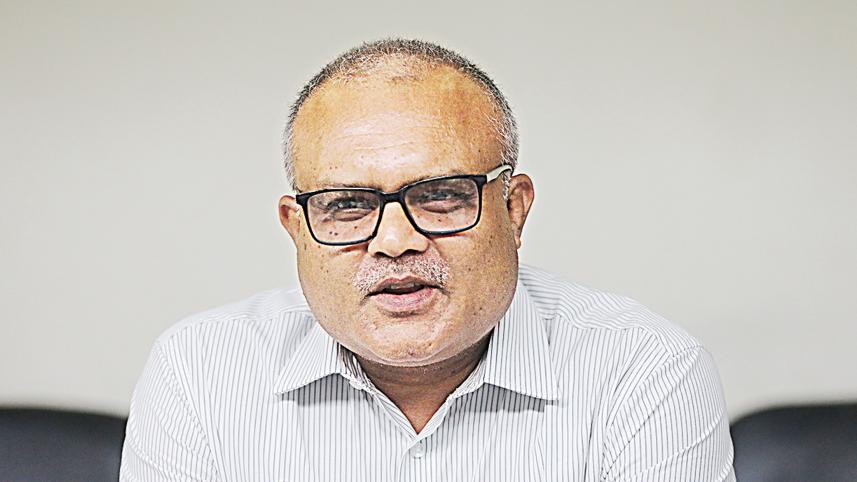
Md. Mahbub-Ul-Alam
Country Director, Pathfinder
Although we rank seventh in climate vulnerability, our health sector remains unprepared for climate-induced disasters. In 2022, our assessment of 300 health facilities in five flood-prone districts revealed that 59% remained closed for 160 days during the flood in 2022. Besides, our health workers lack climate awareness; they are often unaware that maternal and adolescent health services in crises require trauma-sensitive approaches. Also, the logistical support supplied to clinics in flood-prone areas is inadequate. We need to act now by strengthening existing health facilities and building providers' capacity to ensure resilient healthcare in disaster-prone areas.
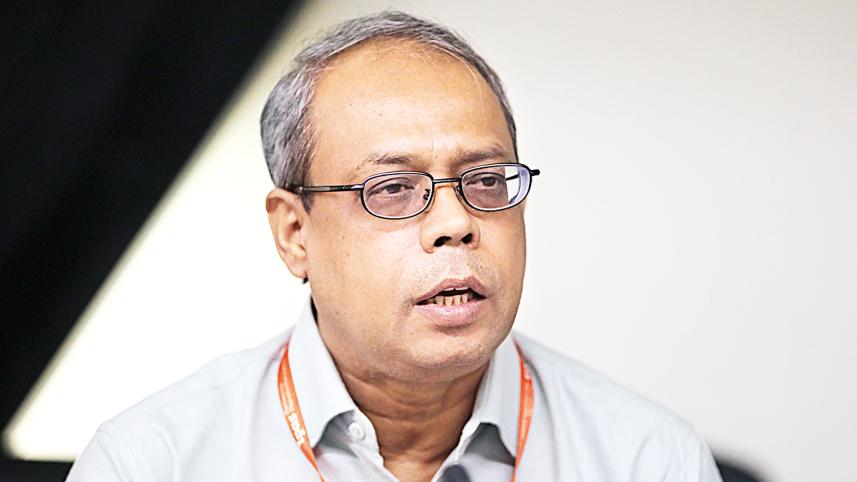
Dr Sayed Rubayet
Country Director, iPAS
The southern coastal region faces extreme climate impacts, yet our health system does not reflect this reality. With fragile infrastructure, high vacancies, poor budgets, and weak community awareness, health facilities remain largely non-functional. Centralised financial control and outdated management structures stand in the way of understanding the needs at the local level. As a result, the health system development programs have been shut which has worsened SRHR outcomes in adolescents, including unintended pregnancies and maternal and neonatal deaths in these regions. To address this growing fragility, we must strengthen local-level planning, empower communities, and design health services suited to coastal vulnerabilities.
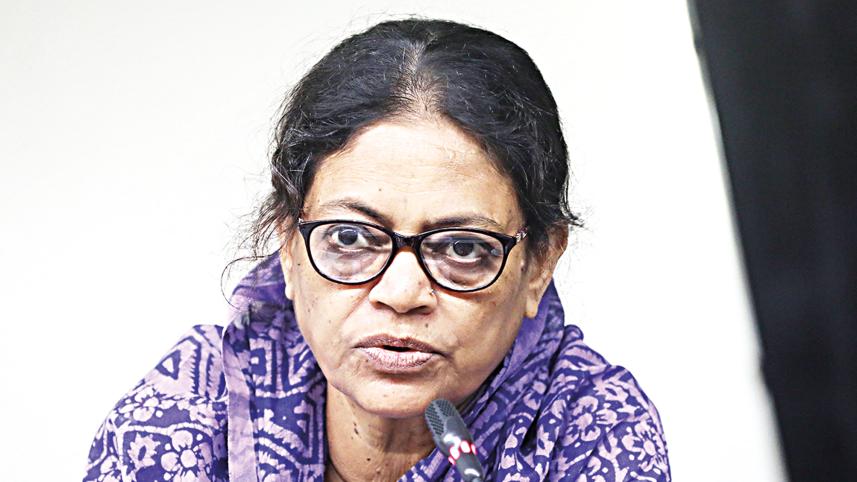
Rahima Sultana Kazal
Executive Director, Association of Voluntary Actions for Society (AVAS)
Our RMNCAH project in the southern coastal region supports pregnant mothers, newborns, children, and adolescents through close collaboration with the health sector and the Department of Family Planning. It builds capacity by training FWVs, FWC staff, clinic workers, and teachers using government-developed modules. Working in disaster-prone areas such as Galachipa, Taltoli, and Amtali, the project promotes SRHR, safeguarding, and gender equality, with community engagement through union supervisors, field facilitators, and youth volunteers. We also work on facility improvements, immunisation support, and disaster preparedness efforts, jointly with public institutions.
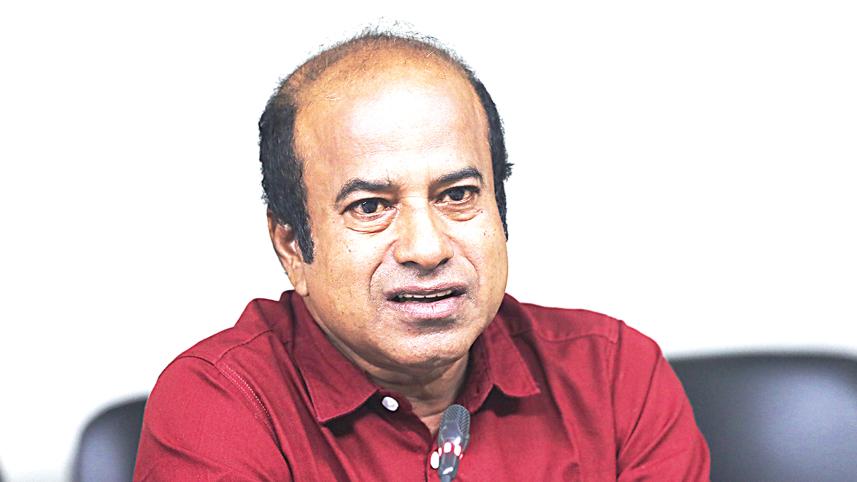
Shahabuddin Panna
Executive Director, Nazrul Smriti Sangsad (NNS)
Despite limited resources, frontline officials of the Health and Family Planning Departments at the upazila and district levels continue to provide essential services. They face challenges including HR shortages, infrastructural gaps, and supply chain issues, which are national problems, not just local ones. To address smaller, local challenges, we have been engaging the local government. Through continuous advocacy, the Health and Family Planning Committee's budget has increased, and we monitor both allocation and expenditure. Recent initiatives, such as allowing each union to propose small health projects, are helping resolve minor issues. Strengthening coordination with the local government can further improve accountability, service quality, and efficient medicine distribution.
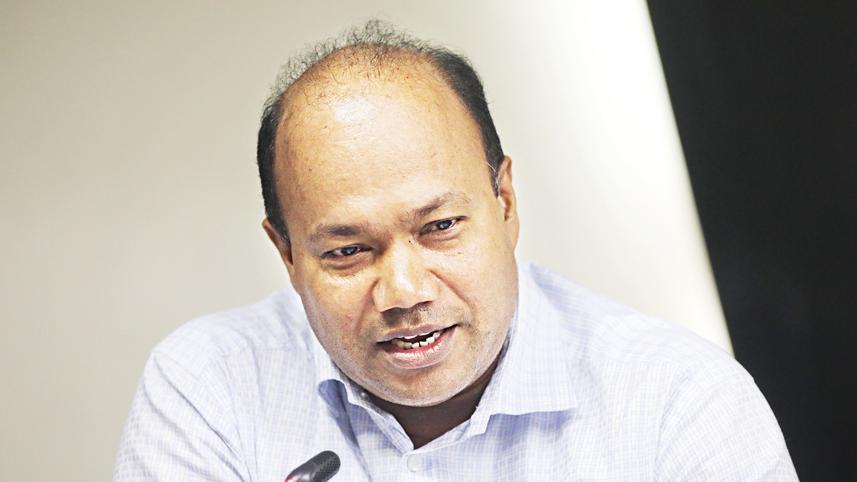
Md. Shahidul Islam
DDFP, Patuakhali
In Patuakhali, coastal healthcare faces critical gaps, with two-thirds of technical posts and 17 of 21 doctor positions vacant. Redeploying midwives to Family Welfare Centres can optimise skills and improve deliveries. To address systemic issues, a need-based medicine supply chain with zonal warehouses could be utilised to replace the current uniform distribution. Strengthening referral systems linking clinics, health facilities, NGOs, and local governments and operationalising long-idle assets, such as trawlers for transporting pregnant women, are essential. Collaborative planning and coordinated action are essential to overcome the persistent healthcare challenges.

Dr Md. Humaon Islam Sumon
Consultant (Orthopaedic), UHC, Amtali, Barguna
In coastal areas like Amtali, Taltali, and Galachipa, limited transport and remote geography create barriers to access to health services. Although data systems exist, the lack of coordination between the Health Service Division and the Family Planning Division prevents effective tracking of pregnant women and maternal and child health outcomes. Integrating these databases and strengthening formal collaboration at the upazila level would allow earlier identification and follow-up of mothers and children, which would help improve maternal and child health services in climate-vulnerable coastal regions.
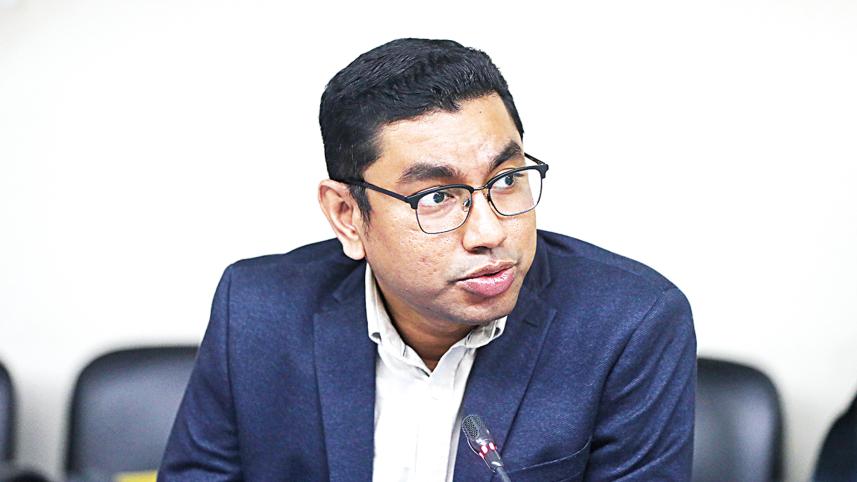
Tanjim Ferdous
In-Charge, NGO's and Foreign Missions, The Daily Star, (Moderator of the session)
Bangladesh has reduced maternal and child mortality, yet major gaps in equitable healthcare persist, especially in climate-vulnerable coastal districts. These areas lack skilled health workers, essential supplies, and climate-resilient facilities. Recent UN data shows Bangladesh still has one of the highest stillbirth rates in South Asia, which is 63,000, and over 1 lakh under-five deaths annually. Concern Worldwide's assessments in Barguna and Patuakhali reveal insufficient water, sanitation, and basic medical equipment in community clinics, hindering care for mothers and newborns. Today's roundtable aimed to identify practical and evidence-based strategies to strengthen primary MNCH services and advance a more equitable, climate-responsive health system.
Recommendations:
1. Improve Service Quality and Facility Readiness
Renovate existing facilities and ensure uninterrupted maternal and neonatal care supplies.
2. Strengthen Coordination & Referral Systems
Integrate health and family planning data, operationalise need-based supply planning, and restore effective referral pathways.
3. Climate-Responsive Health System Adaptation
Develop a climate-health adaptation plan, ensure transport support in coastal areas, and train providers for crisis-sensitive care.
4. Strengthen RMNCAH Workforce
Deploy trained midwives and resume FWV recruitment to prevent further collapse of maternal services.
5. Strengthen Community Engagement & Local Ownership
Empower local government to allocate and track budgets for RMNCAH services and engage communities in joint planning to meet local needs
6. Increase Health Financing & Efficient Use
Increase allocation to at least 5% of GDP, aligning with WHO guidance and ensure efficient local budget utilisation.
Comments