


Evolving landscape of housing market shift
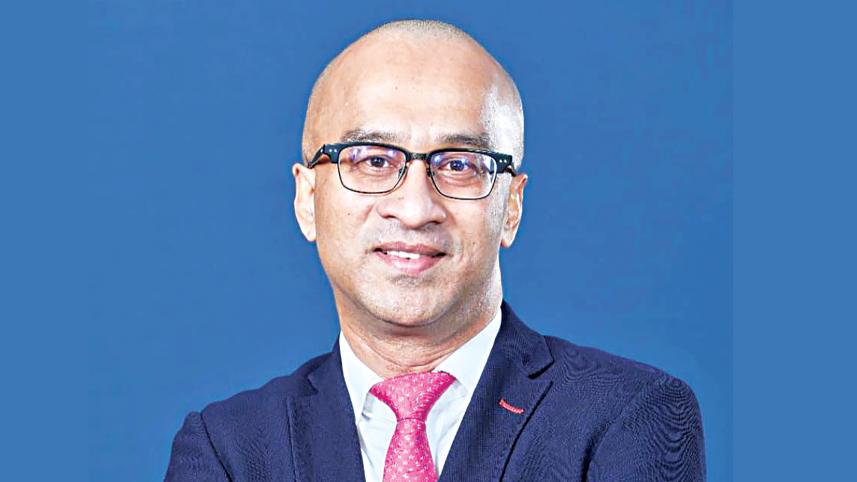
Mr. Mashrur Arefin, Managing Director & CEO, City Bank PLC.
The housing market in Bangladesh is a dynamic sector, profoundly influenced by economic shifts, evolving consumer aspirations, and regulatory changes. As urbanisation continues and the middle class expands, understanding the trends, challenges, and innovations in home loan and construction finance becomes crucial.
 For all latest news, follow The Daily Star's Google News channel.
 The Daily Star(TDS): What trends are you seeing in home loan or construction finance demand in the last 2–3 years?
Mashrur Arefin(MA): Home loan demand has stayed quite steady, although the pace of growth has naturally eased a bit because of inflation and higher construction costs. The desire for home ownership, especially among the middle-income segment, remains very strong people still see a home as their most stable investment. On the construction side, developers are being more selective now, focusing on projects where the demand is visible and costs can be managed well. In many ways, the market is simply finding its balance after a few years of rapid expansion.
TDS: How are interest rate movements and regulatory shifts affecting homeownership or construction projects?
MA: The shift to a fully market-driven interest rate system has naturally brought a period of adjustment for everyone borrowers, developers, and even lenders. As rates now move with market liquidity and demand, affordability has become a bigger consideration for many homebuyers, especially in the middle-income group. Developers are also recalibrating their project timelines and cost structures to fit the new reality.
TDS: What products or schemes (e.g., green housing loans, women's housing finance, SME developer financing) are gaining traction?
MA: There's definitely growing awareness around green housing. Buyers and even policymakers now recognize the long-term value of energy-efficient and environmentally responsible homes. But many developers are still a bit hesitant and understandably so. The upfront costs are higher, technical expertise is limited, and large-scale incentives haven't fully materialized yet. The intent is clearly there, but broader adoption will take time and the right kind of policy support.
On the other hand, affordable housing is gaining very strong momentum. As middle-income families expand, so does their aspiration to own a home within a reasonable cost. This segment has really become the heart of the housing market. The challenge for all of us banks, developers, and regulators is to strike the right balance between affordability and quality, so that homeownership remains both achievable and sustainable.

TDS: How is the bank supporting sustainable or smart housing projects?
MA: Large-scale financing for sustainable or smart housing is still in its early days. Bangladesh Bank has made some commendable moves through refinance schemes and policy guidance, but a truly coordinated industry-wide approach is still taking shape. Development partners like IFC has also been working to promote green and affordable housing, though progress has been slower than expected because of practical and structural challenges. Even then, there's a real sense of direction emerging. Awareness is growing, and more institutions now see sustainability not just as a social cause but as sound economics. At City Bank and within the ABB community, we view this as a clear opportunity. The direction is right; what's needed now is scale, partnership, and steady execution.
TDS: What are the key challenges developers or buyers face in accessing finance, and how are you addressing them?
MA: Affordability is still the biggest challenge for most homebuyers, and that's something we can't overlook. On the other side, developers are dealing with rising material costs and a shortage of long-term financing. Even the documentation and valuation process can sometimes feel a bit heavy for customers. Across the industry, we're working to make these processes easier with greater transparency, simpler repayment structures, and better-designed loan products. At City Bank, our focus is to help people own their homes without compromising on financial discipline.
TDS: What's your outlook on the housing market in 2025–26, and how is your bank positioning itself to support that growth?
MA: The outlook for 2025–26 looks promising. The demand for housing in Bangladesh isn't just an economic trend it's rooted in people's aspirations, our growing urban centres, and the simple desire to build a better life. These are long-term, structural drivers that continue to give the market strength. Even as costs and interest rates adjust with time, the housing sector has shown an impressive ability to adapt and move forward. At City Bank, we'll keep our focus on affordable, green, and digitally enabled housing finance. The future of this market lies in making financing more inclusive, more sustainable, and simpler for our customers.
Comments