


The Future of Living Minimal, Eco-Tech Homes

The Rise of Compact Living
In fast-growing cities like Dhaka, the traditional dream of a sprawling home is giving way to compact living. Smaller apartments are gaining popularity in response to limited land, rising property costs and urban density. These smaller living spaces align very well with smart and sustainable home principles: less space means lower utility demands, and it becomes easier to integrate smart systems and energy-saving features efficiently.
 For all latest news, follow The Daily Star's Google News channel.
 Technology, the Brain of Modern Living
Smart-home technology has become the cornerstone of modern living. From AI-powered assistants to advanced security systems with facial recognition, technology now enables homeowners to control nearly every aspect of their environment. Lighting, heating, and even kitchen appliances can be managed remotely through smartphones or voice commands. Smart lighting systems use motion sensors and natural-light detection to optimize energy use, enhancing convenience while reducing waste.
Energy-Saving Design: Building with the Planet in Mind
Beyond gadgets, the design and structure of homes are evolving to conserve energy and minimise carbon footprints. Architects are integrating passive design techniques, like maximising natural light, using insulation materials, and orienting buildings to capture solar heat during winter and block it in summer. Solar panels and wind turbines are becoming common features in residential areas, helping homeowners generate their own clean energy. Green roofs and rainwater harvesting systems further contribute to sustainability by improving air quality and conserving water. With governments around the world pushing for net-zero emissions, energy-efficient housing is not just a trend but a necessity.
Eco-Friendly Interiors
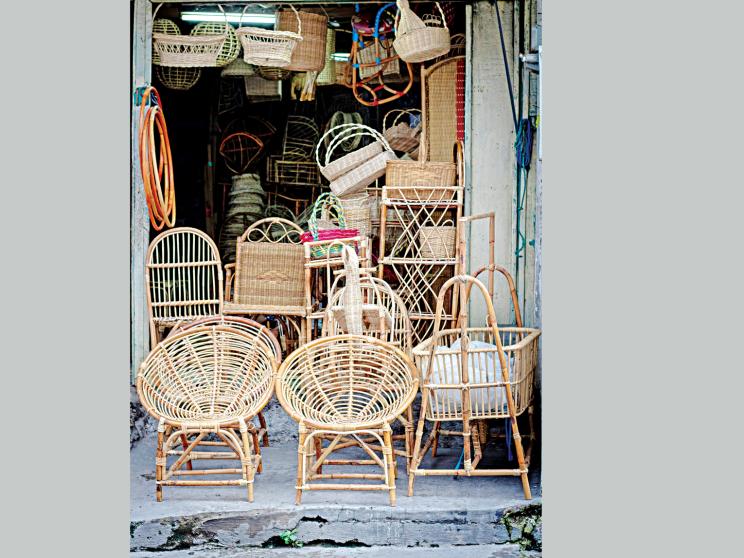
Inside the home, sustainability is merging seamlessly with style. Eco-friendly interiors focus on using materials that are renewable, recycled, or locally sourced. Low-VOC (volatile organic compound) paints, natural fibres, and responsibly sourced wood are becoming go-to choices. In Bangladesh, homeowners are embracing minimalism and multi-functional furniture to make smaller spaces feel larger and more streamlined, reflecting a preference for sleek, efficient design. Neutral and earthy colour palettes like beige, taupe, muted greens, and terracottas are also trending, creating a soothing environment and helping establish a connection with nature. Materials like cane and rattan are making a comeback, valued for their lightweight, breathable, and sustainable qualities.
Comments