


Money meets meaning through sustainable home finance
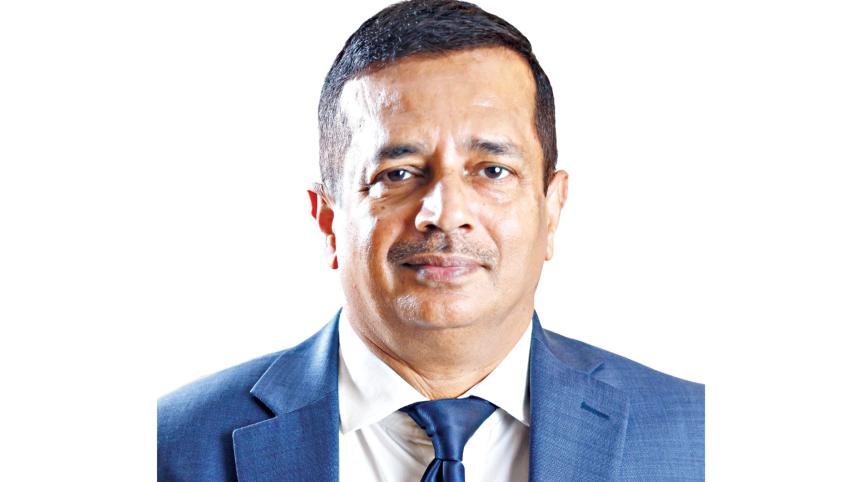
Ahsan Zaman Chowdhury, Managing Director & CEO, Trust Bank PLC.
Bangladesh's housing and construction finance sector is evolving rapidly amid rising urbanisation, economic pressure, and new sustainability goals. With housing demand shifting across cities and regions, The Daily Star spoke with Ahsan Zaman Chowdhury, Managing Director and CEO of Trust Bank PLC, on how the bank is adapting to support smart, inclusive, and environmentally responsible home financing nationwide.
 For all latest news, follow The Daily Star's Google News channel.
 TDS: What trends are you seeing in home and construction finance demand?
AZC: Despite inflation, currency volatility, and high interest rates, demand for home and construction loans remains strong, driven by rapid urban growth and an ongoing housing shortage. Dhaka, Chattogram, Sylhet, and Rajshahi are seeing rising demand for high-rise apartments, fueled by rural-to-urban migration and limited land supply.
Non-Resident Bangladeshis continue to be a vital source of real-estate investment through remittances. Recently, falling steel and cement prices have improved project viability, though affordability challenges persist for middle-income buyers. Developers are adapting with smaller unit sizes, pre-sales models, and investments in green, mixed-use projects.
TDS: How are interest rate movements and regulations affecting the market?
AZC: Higher borrowing costs have reduced affordability for many households, leading some to postpone purchases. Developers are also facing increased financing expenses, slowing new projects.
At the same time, evolving regulations—stricter building codes, environmental standards, and land policies—are raising costs but encouraging sustainable practices. Supportive initiatives such as tax breaks, subsidies, and affordable housing schemes are key to balancing these effects and sustaining growth.
TDS: Which products or schemes are gaining traction?
AZC: Green, affordable, and women-focused housing finance are gaining ground. Green home loans incentivise energy-efficient construction, while women's housing finance addresses gender gaps—data shows women often have stronger repayment records.
We're also promoting housing microfinance and SME developer financing, extending credit to low-income and informal workers who typically lack access to conventional mortgages. These efforts expand financial inclusion and strengthen the housing ecosystem.

TDS: How is Trust Bank supporting sustainable or smart housing?
AZC: Through Bangladesh Bank's Refinance Scheme for Environmentally Friendly Initiatives, we finance certified green buildings and affordable housing at concessional rates—up to 20 years, capped at 5% interest. This approach helps both developers and buyers transition to sustainable construction.
We also partner with institutions like the World Bank and ADB for green project funding and integrate ESG standards into our lending framework. Sustainable housing is not only good for the planet—it's good business, as such assets carry lower long-term risks.
TDS: What challenges do developers and buyers face in accessing finance?
AZC: The biggest hurdles remain inadequate collateral, unclear land titles, and the lack of formal credit histories. Many first-time buyers also find documentation and approval procedures overwhelming.
To ease this, we've streamlined processes using digital tools, introduced flexible tenors, and developed new credit-assessment methods for informal earners. We're also partnering with development finance institutions to make loans more affordable. Our goal is to make homeownership simpler, more inclusive, and transparent.
TDS: How is demand shifting between urban and semi-urban areas?
AZC: Rising property prices and congestion in major cities are pushing demand toward semi-urban regions. Improved roads, infrastructure, and remote-work flexibility are making these areas more attractive.
We're responding by financing more projects outside city centres and tailoring mortgage products to suit diverse lifestyles—balancing urban expansion with semi-urban growth to create more equitable housing access.
TDS: What role is digitalisation playing in home finance?
AZC: Technology is central to improving customer experience. Our digital platforms streamline application, verification, and sanction processes, cutting turnaround time. We're also exploring AI-based risk tools to enhance credit decisions.
TDS: What's your outlook for 2025–26?
AZC: The outlook is strong. With GDP projected to grow nearly 5% and inflation easing, purchasing power will improve. Remittances—over USD 30 billion last year—continue to fuel home investments, especially in secondary cities and emerging towns.
Trust Bank is expanding affordable home loans, supporting mixed-use and sustainable developments, and entering new markets to help more Bangladeshis achieve homeownership.
Comments