


Let kids run, jump, fall and repeat
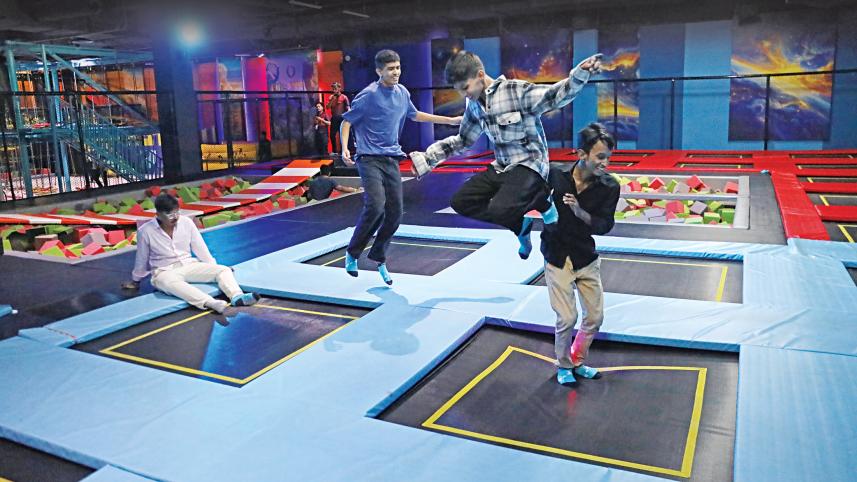
When I was a kid, play just happened. There were backyards, rooftops, under mango trees and on the streets. Now, as a teacher in Dhaka and a mother of two, I see how much effort it takes to give kids what we once received for free: space to move, make noise, and be unapologetically young. What used to come with the neighbourhood now must be carved out, scheduled, and sometimes paid for. And it's becoming more important than ever.
Physical play is more than just pastime. It's how kids build their physical, cognitive and emotional selves. In a city where concrete has replaced open fields, indoor play zones like Playard and others offer a cosseted lifeline..
 For all latest news, follow The Daily Star's Google News channel.
 I think of a colleague who noticed her three-year-old's nightly tantrums melt away after weeks of guided play. Better sleep. Fewer screen-time battles. A child less agitated, more engaged. I've witnessed similar stories in my classroom: fidgety bodies that relaxed after a weekend of climbing and jumping; anxious kids who learned to take risks because they finally had a safe space to fall and get back up.
When kids climb, jump, or even balance on a beam, their bones strengthen, their muscles develop, and their nervous systems learn to regulate themselves. Every wobble teaches them where their bodies end and the world begins. And yes, it even boosts immunity. Movement works wonders on the lymphatic system. Studies show that moderate activity increases circulating immune cells like lymphocytes and natural killer cells, a little-known fact that becomes obvious when a child starts to fall ill less after months of active play.
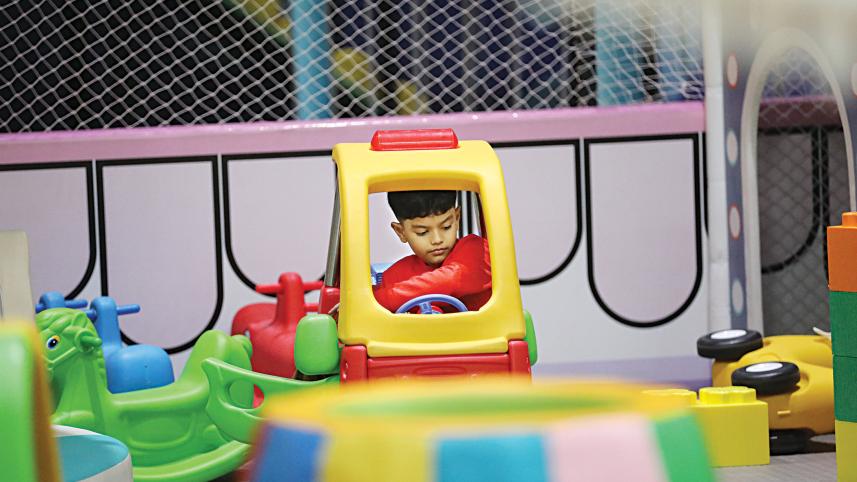
One boy, six years old, used to cling to screens like a lifebuoy. At school, he stayed quiet, withdrawn until his parents took him to a play zone regularly. Slowly, he tried the climbing wall. A few weeks later, he was raising his hand in class. His handwriting improved. His confidence grew.
We can't change Dhaka overnight. But we can give kids the room their bodies and brains are crying out for. Find time to take them somewhere they can jump, run and fall. It's small, intentional, and profoundly necessary to have a space where kids learn by doing, grow by trying, and discover that joy can be physical, not just pixelated.
Sadia Islam, primary school teacher and mother of two tiny hurricanes, writes about education, raising kids and surviving chaos.
Comments