


Neighbourhood banter to barcode beeps

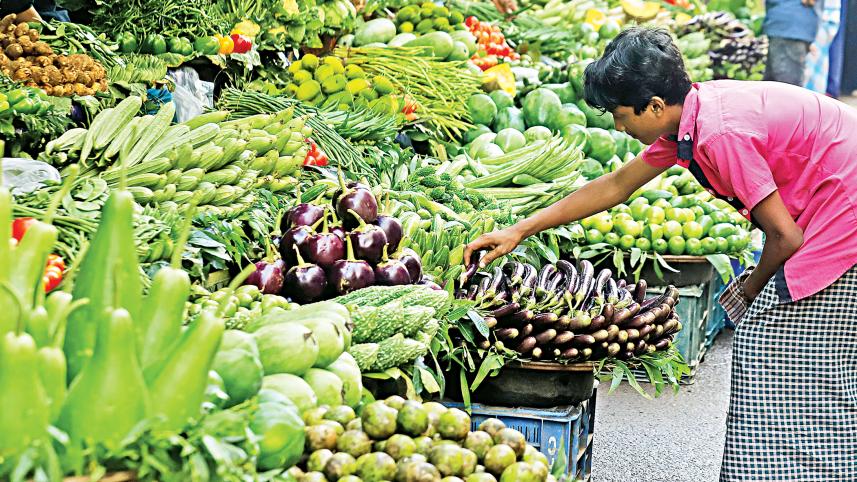
The vibrant pulse of Dhaka city beats to many rhythms, and among them is the perpetual debate over where to buy the day's groceries. For millions, this isn't just a transactional decision; it's a reflection of lifestyle, values, and the ever-evolving urban experience. A traditional "kacha bazar" is loud and busy, while a modern supermarket has bright, clean aisles. Each one offers a different experience for the shopper.
The Allure of Authenticity
 For all latest news, follow The Daily Star's Google News channel.
 For many seasoned shoppers, the traditional wet market remains unrivalled, primarily for its promise of unparalleled freshness. Habibul Alam, a father of two, deeply rooted in the city's ways, articulates this sentiment perfectly: "When I shop at the kacha bazar, I know the fish and meat are truly fresh, brought in the same day. There is a transparency you don't always find elsewhere; no worries about items being frozen and sold days later." This assurance of direct-from-source produce resonates deeply, particularly when it comes to highly perishable goods. Beyond freshness, the wet market offers a dynamic pricing experience. The opportunity to haggle and secure a better deal, particularly in the evening when vendors are keen to clear their stock, is a cherished aspect for many. One shopper observes, "Super shops have fixed prices." Here, there is a dance, a negotiation that can sometimes get you a much better price, especially for vegetables." This direct interaction with vendors also fosters a sense of community and connection, which often goes missing in more formalised retail environments.

The Call of Convenience
Conversely, the rapid pace of life in Dhaka has propelled many towards the undeniable convenience of supermarkets. For a young, working professional navigating a demanding schedule, the appeal is clear. Mithila Rahman, a private banker, notes, "Supermarkets are simply more practical for my lifestyle. They are often closer to home, and I can quickly grab what I need without spending too much time. I can purchase in any quantity without having to have a lengthy conversation because everything is priced clearly." The often chaotic and sensory-rich environment of a wet market, with its distinct smells and crowded pathways, can be a deterrent for those seeking a more streamlined and comfortable shopping experience, especially during Dhaka's often challenging climate. The ease of navigating well-organised aisles, often air-conditioned, provides a stark contrast to the bustling, open-air markets, offering a quick and efficient solution for daily necessities.

Blending Both Worlds
A growing segment of Dhaka's population effortlessly navigates both shopping realms, leveraging the unique benefits of each. A university lecturer exemplifies this hybrid approach, explaining, "Sometimes, when I want a relaxed shopping trip, perhaps to pick up some imported items or specific gourmet ingredients for guests, I take my kids to a nearby super shop." It is a pleasant outing." These trips are often about more than just groceries; they are leisure activities. However, for a truly authentic culinary experience, the wet market beckons. "But when I'm looking for a specific seasonal fish, or perhaps various local vegetables that are harder to find in supermarkets, the local wet market is my go-to," he adds. This selective approach highlights that for many, the choice is not mutually exclusive but rather complementary, dictated by specific needs, desired experiences, and the type of items being sought. As various Bangladeshi newspaper articles have pointed out, the rise of both formats indicates a diverse consumer base with evolving preferences, where traditional markets continue to thrive alongside modern retail chains.

The Evolving Landscape
The ongoing interplay between wet markets and supermarkets underscores the dynamic nature of Dhaka's consumer landscape. While concerns about supply chains and freshness persist for some regarding supermarkets, their growth reflects a demand for convenience, hygiene, and a wider array of products, including imported goods. Conversely, wet markets, despite challenges like infrastructure and hygiene, continue to be central to daily life, offering not just fresh produce but also a cultural experience and a crucial livelihood for countless vendors. As the city grows and consumer habits shift, both retail models are constantly adapting, ensuring that Dhaka's residents have a plethora of choices in their daily quest for sustenance.
Comments