


Slim is smart: From craft to tech

Selim H Rahman
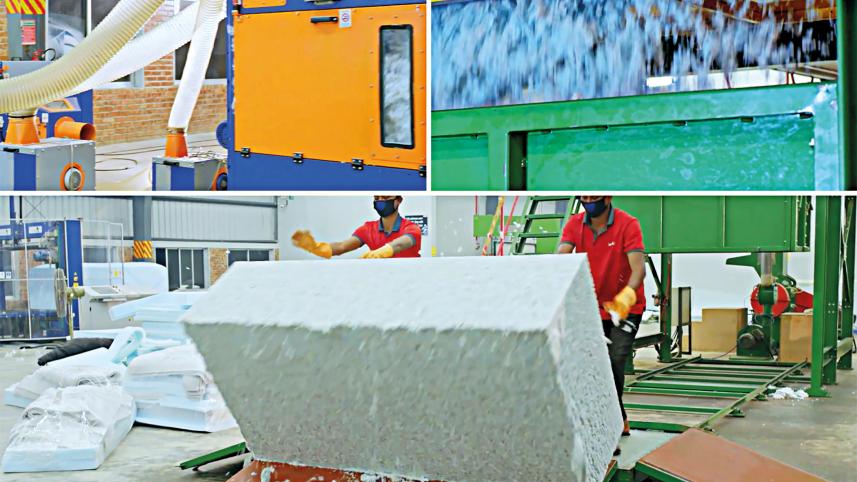
Chairman and Managing Director has taken HATIL Furniture from a family-run timber business to a design-led, tech-forward furniture exporter, choosing the path of sustainability. It is now pre-certified as a green factory, recycling production waste and generating 30–35 % of its electricity from solar energy. These are steps that go beyond buyer pressure and reflect genuine corporate responsibility.
The Daily Star (TDS): How has Bangladesh's furniture sector evolved over the past decade, and what concrete role has your brand played in the shift?
 For all latest news, follow The Daily Star's Google News channel.
 Selim H Rahman (SHR): Consumers shifted from heavy, carved and steel pieces to compact, modern designs; interiors and designers now shape buying decisions. HATIL popularised space-saving thinking with its long-running "Slim is Smart" approach and industrial R&D, which turned artisanal ideas into scalable products.
TDS: Which recent innovations have been the game-changers for your company, and how are the new living patterns shaping your strategy?
SHR: We invested in automation, 3D visualisations, AR/VR showrooms, and multifunctional, space-saving furniture. These technologies let customers preview pieces in small urban flats and helped us develop compact sofas, bunk solutions and convertible beds.
TDS: Are Bangladeshi brands export-ready? Which strengths and gaps determine your competitiveness against global names?
SHR: Strengths include skilled labour, in-house metal, foam, finishing capacity and design capability. High duties and bonded-warehouse rules created barriers, but recent policy shifts that ease partial export regulations should unlock more opportunities for brands in the export market.
TDS: How do consumer tastes and buying behaviours differ across Dhaka and other regional markets?
SHR: Dhaka consumers place design above all when buying furniture. A survey found 66% in Bogura prefer solid wood, while 90% of Dhaka residents prefer modern, minimalistic furniture design.
TDS: How are you combining technology with local craftsmanship and eco-materials to strengthen the "Made in Bangladesh" value proposition?
SHR: HATIL integrates innovation and advanced machinery, including CNC routers, robotic lacquering arms and UV curing systems for precision and speed, and our factory is soon to acquire green certification, scale greener tech across production and push for wider industry adoption to boost exports.
Comments