


Mangrove forests are not expendable

It is deeply concerning to learn of the fate of yet another mangrove forest in Chattogram's Sitakunda upazila, where the district administration has built a recreational park by felling thousands of trees. Reportedly, around 194 acres of land in North Salimpur mauza were officially gazetted as forest land under Section 4 of the Forest Act on January 9, 1986, and later planted with mangroves by the Coastal Forest Division in the 1990–91 fiscal year. Despite this legal protection, the Chattogram district administration constructed the park, claiming the land is recorded in its name in the official khatian (record of rights). The forest department and the district administration are now at odds over control of the land.
 For all latest news, follow The Daily Star's Google News channel.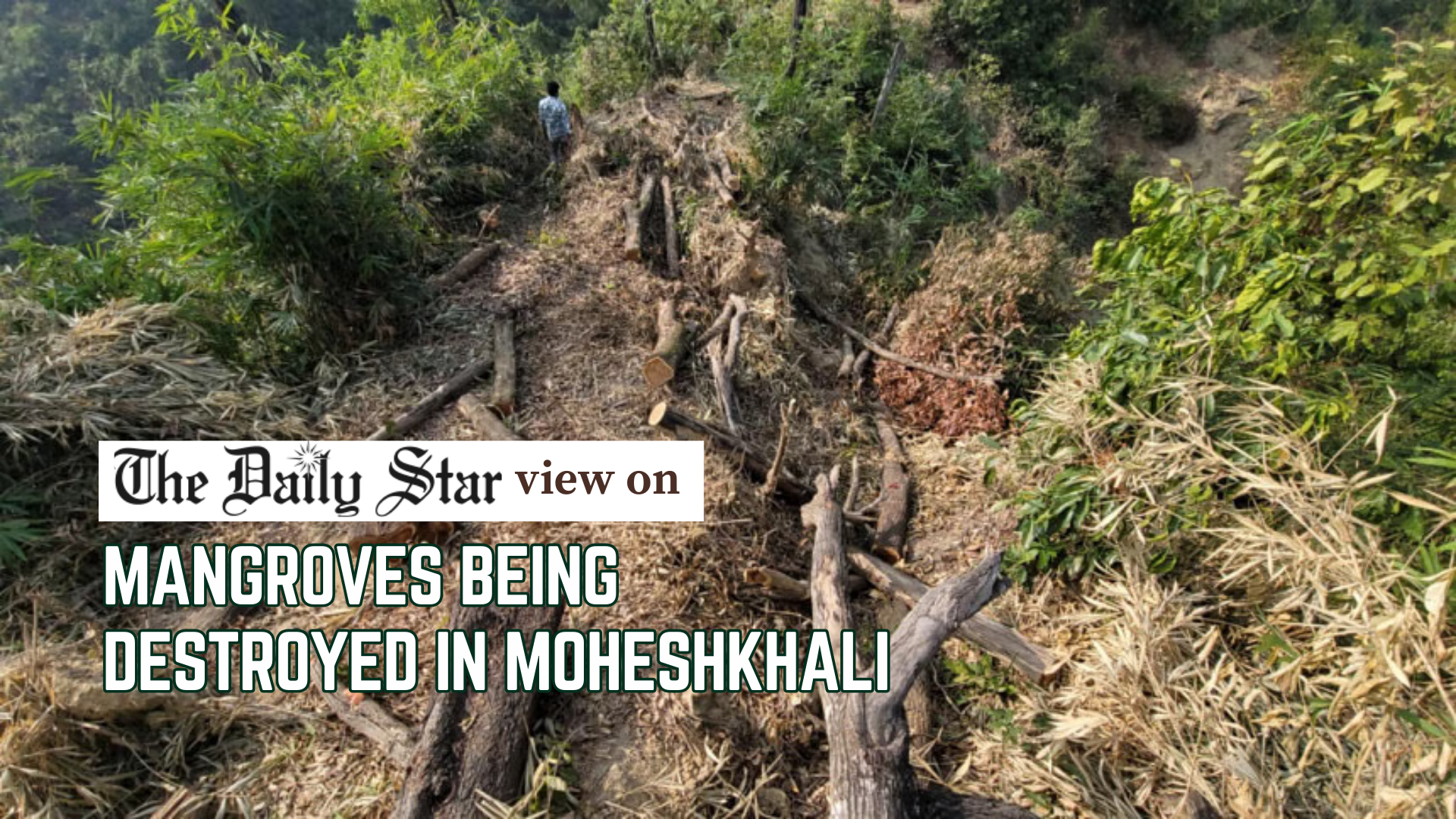
Under Section 5 of the Forest Act, 1927, land notified under Section 4 and officially gazetted as forest cannot be repurposed. The Supreme Court reinforced this in its October 6, 2013 verdict, emphasising that such forest land must be preserved. Yet, despite repeated objections from forest officials, the district administration reportedly proceeded to develop DC Park, felling at least 5,000 trees and erecting structures, restaurants, seating areas, and pathways. Satellite imagery from 2018 to 2025 confirms the scale of habitat loss.
We have witnessed similar patterns of institutional overreach many times in the past. Just as the Roads and Highways Department sought 174 acres inside a reserve forest to widen a road, and the Bangladesh Rural Electrification Board (Palli Bidyut) attempted to install power lines through another reserved forest—both ignoring the forest department's objections—here too a government authority moved ahead without resolving legal and ecological concerns. The question remains: why do state agencies treat forests as vacant land, rather than as legally safeguarded ecosystems essential for the country's climate safety?
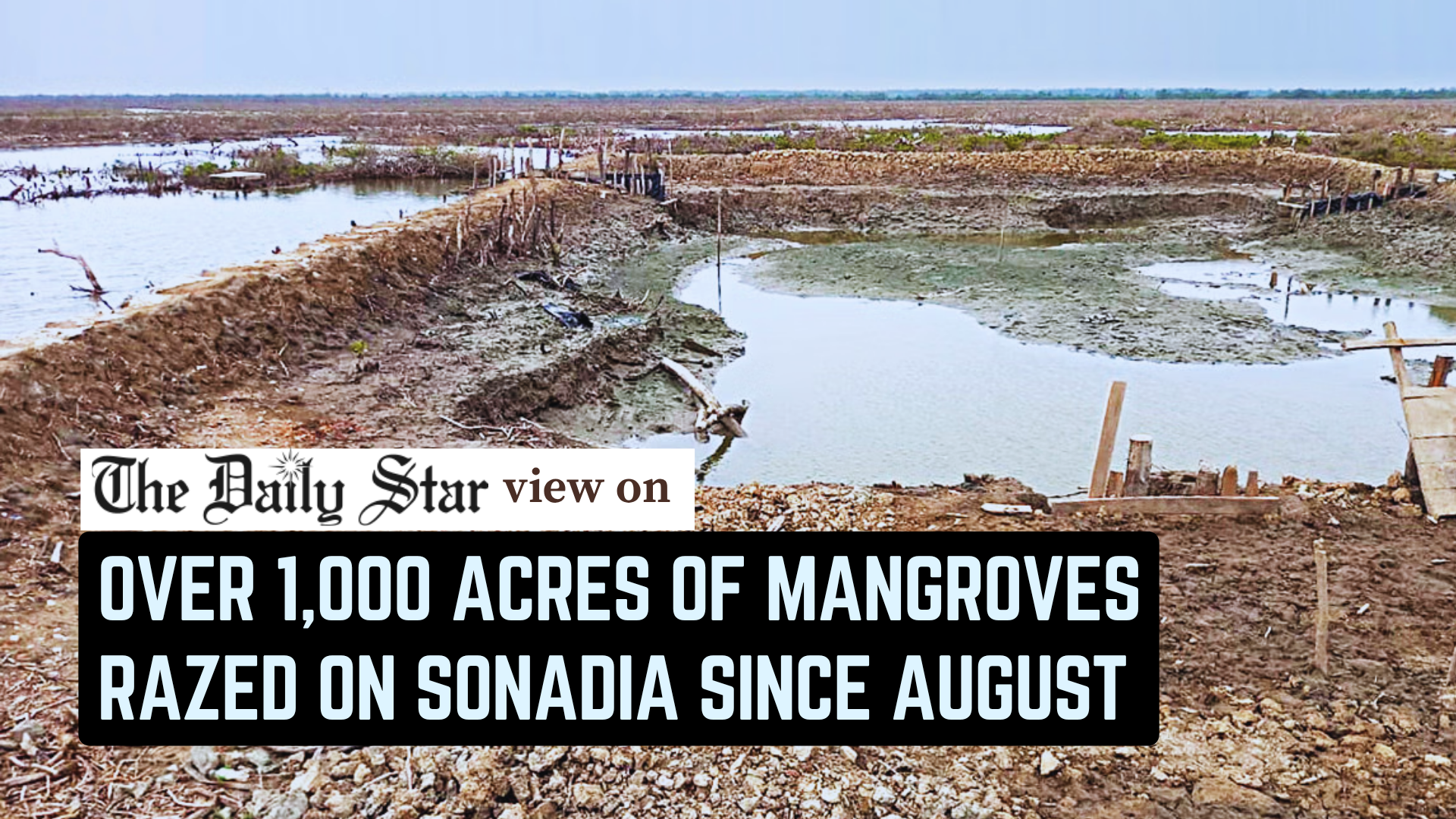
Mangrove belts in Sitakunda and Mirsarai have repeatedly proven their value, shielding communities from major cyclones while reducing storm surges and erosion. These forests are frontline protectors of our coastline, sustaining biodiversity and safeguarding human lives. Clearing them removes this vital shield, leaving coastal communities exposed to cyclones, flooding, and irreversible ecological damage. If control of the land is restored to the forest department, it could be transformed into a coastal greenbelt, strengthening natural defences while supporting wildlife, water systems, and air quality. The government must, therefore, resolve the ongoing dispute between the forest department and the Chattogram district administration and act decisively to protect Sitakunda's mangrove forests.
Comments