


Dhaka’s forgotten WWII story: What soldiers feared more than Japanese bullets
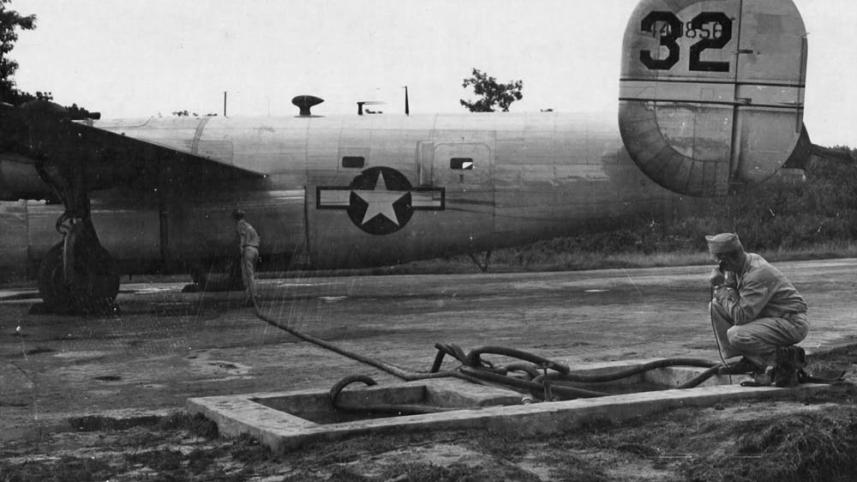
US soldiers and pilots based in Dhaka often talked about the Himalayan supply route with a mix of awe and exhaustion. It was a perilous air corridor—stretching out from Assam and Bengal—that somehow kept Chinese forces in Kunming and Chungking supplied. The "Skyway to Hell", as many of them called it, had already claimed aircraft and men. Yet, once their boots touched the soft, swampy ground of Bengal, another adversary waited—small enough to fit on a fingernail but capable of bringing an entire aircrew to its knees. If the jagged mountain winds did not kill the pilots, the mosquitoes might. Malaria haunted the Asia–Pacific theatre, and Bengal's rivers, rice fields, and wetlands made it an almost perfect breeding laboratory for Anopheles mosquitoes.
General William Tanner knew this long before stepping out of the aircraft in Dhaka. Preparing to take over as commander of the Air Transport Command in 1944, he sent a hurried note to Deputy Temple Bowen asking him to secure supplies of a new mosquito repellent: DDT. It was virtually unknown in India, and even in the United States it had not yet reached commercial shelves. Still, as the war dragged on and malaria threatened to overwhelm Allied forces, the military was willing to try almost anything.
 For all latest news, follow The Daily Star's Google News channel.
According to Nayeem Hoq, author of Dhaka during World War 2, Tanner arrived in Bengal carrying nearly 500 pounds of DDT powder. That single decision appears to have marked the beginning of DDT's widespread use in the region. Soon, B-25 bombers were flying not to attack enemy lines but to fog the skies with a white cloud of insecticide. Locals called the planes "Skeeter Beaters", and the crews claimed—with some pride—that their missions wiped out as much as 90 per cent of the mosquito population in parts of Dhaka.
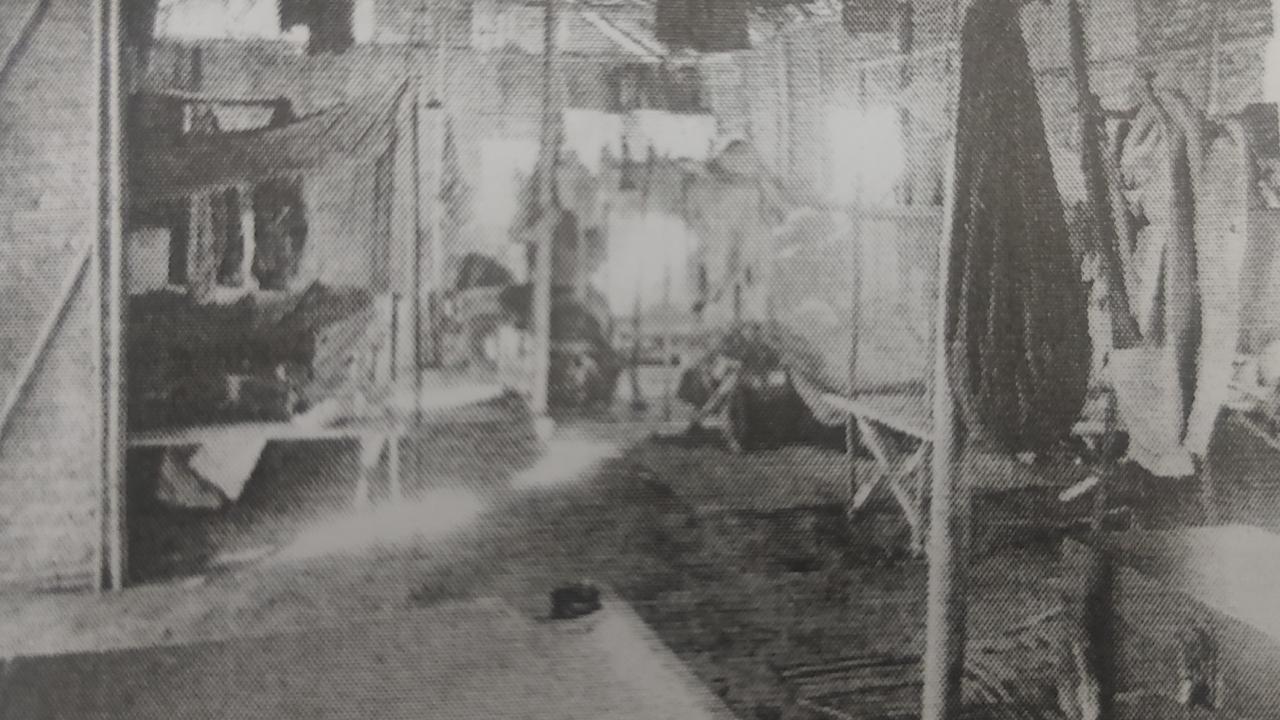
But even this chemical curtain could not kill every mosquito. Soldiers were still required to swallow a daily anti-malaria pill called Atabrine. Its bright yellow colour became a familiar sight in mess halls. Private Lloyd Benjamin, who served in Tejgaon, Dhaka, recalled with a laugh that no one was allowed to leave the dining hall until they had swallowed the pill in front of the supervising officer.
The laughter ended there. Atabrine was a suppressant, not a cure, and it came with a list of side effects that made many soldiers suspicious. It turned their skin a yellowish tint, left some with splitting headaches, and spawned rumours—some half-believed, others deliberately spread—that it caused infertility. Understandably, a number of soldiers tried to avoid it. The military responded the only way wartime bureaucracy knows how: posters, campaigns, warnings, and if all else failed, a medical orderly who would quietly insist on compliance before a man could be served lunch.
General William Tanner knew this long before stepping out of the aircraft in Dhaka. Preparing to take over as commander of the Air Transport Command in 1944, he sent a hurried note to Deputy Temple Bowen asking him to secure supplies of a new mosquito repellent: DDT. It was virtually unknown in India, and even in the United States it had not yet reached commercial shelves. Still, as the war dragged on and malaria threatened to overwhelm Allied forces, the military was willing to try almost anything.
The statistics suggest that none of this was enough. According to the History of U.S. Military Contributions to the Study of Malaria, between 1943 and 1945 malaria cases kept rising, reaching more than 572,000. Even so, there is a general belief among medical historians that Atabrine—despite its unpleasant side effects—saved thousands of lives.
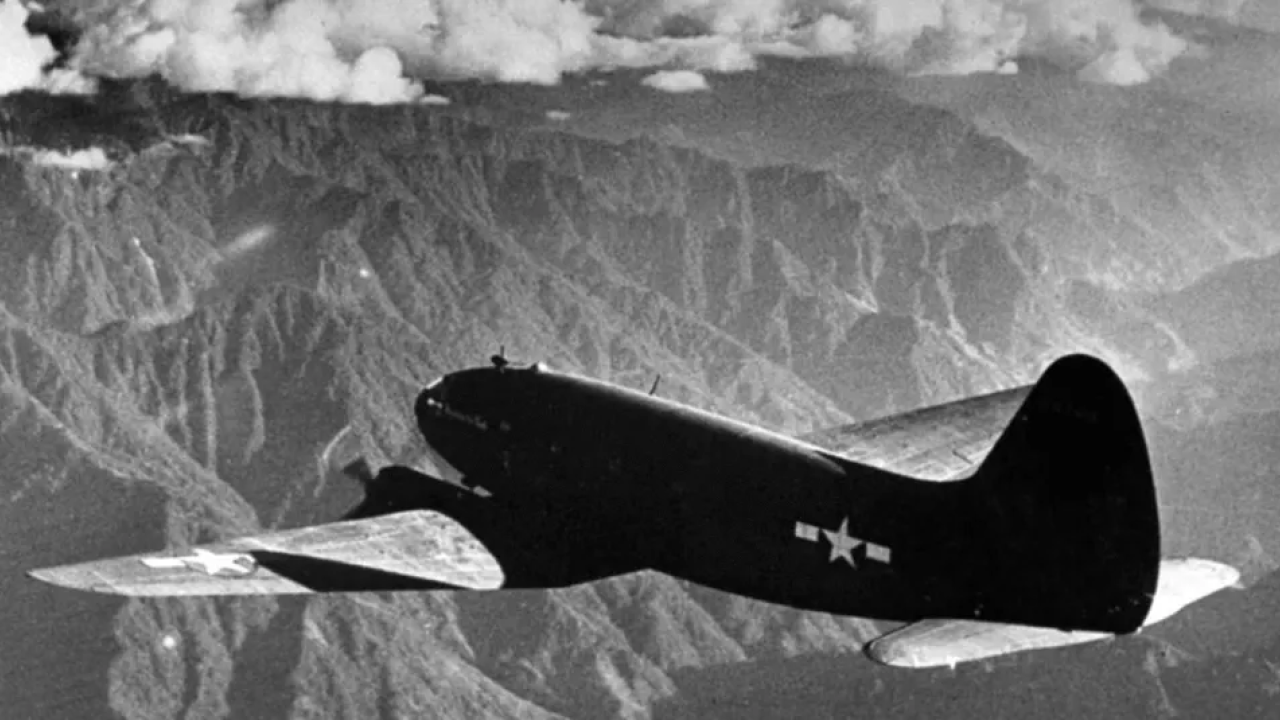
Years later, in 1962, Rachel Carson's Silent Spring raised the alarm about chemicals like DDT. President Kennedy ordered scientific inquiries, and by 1972 the United States banned the chemical entirely. The irony is hard to miss: what once appeared to be a miracle weapon against mosquitoes eventually became a global environmental villain.
The story of Atabrine carries a different irony. Before the war, quinine was the world's trusted defence against malaria. Most of it came from cinchona plantations in Indonesia and the Philippines. When Japan occupied both regions in 1941, the Allies suddenly found themselves cut off from 80 per cent of the world's quinine supply. Scientists began hunting for alternatives—but the Germans had quietly solved the problem years earlier. Their synthetic compound, Quinacrine, created in 1931, was repurposed by the Allies under a new name: Atabrine.

Hoq recounts one unsettling case from Dhaka. Major Bondurant developed a persistent, inexplicable ailment in one of his fingers—painful, swelling, and entirely mysterious. He travelled between field hospitals in Dhaka and Kolkata, but no doctor could diagnose him. Desperate, he requested repatriation to the US on medical grounds. His request was approved, and he was transferred to the 308th Bombardment Group in Rupsi, Assam, a unit expected to return home soon. Unfortunately for him, by the time he arrived, their departure plan had shifted and the wait grew longer.

Frustrated, he returned to the Kolkata hospital. This time a doctor suggested something no one had considered seriously before: Atabrine itself might be to blame. The major was instructed to stop taking the drug immediately. Whether it solved the problem remains a footnote lost to history, but the episode reveals how even life-saving medicine could feel treacherous to the men forced to rely on it.
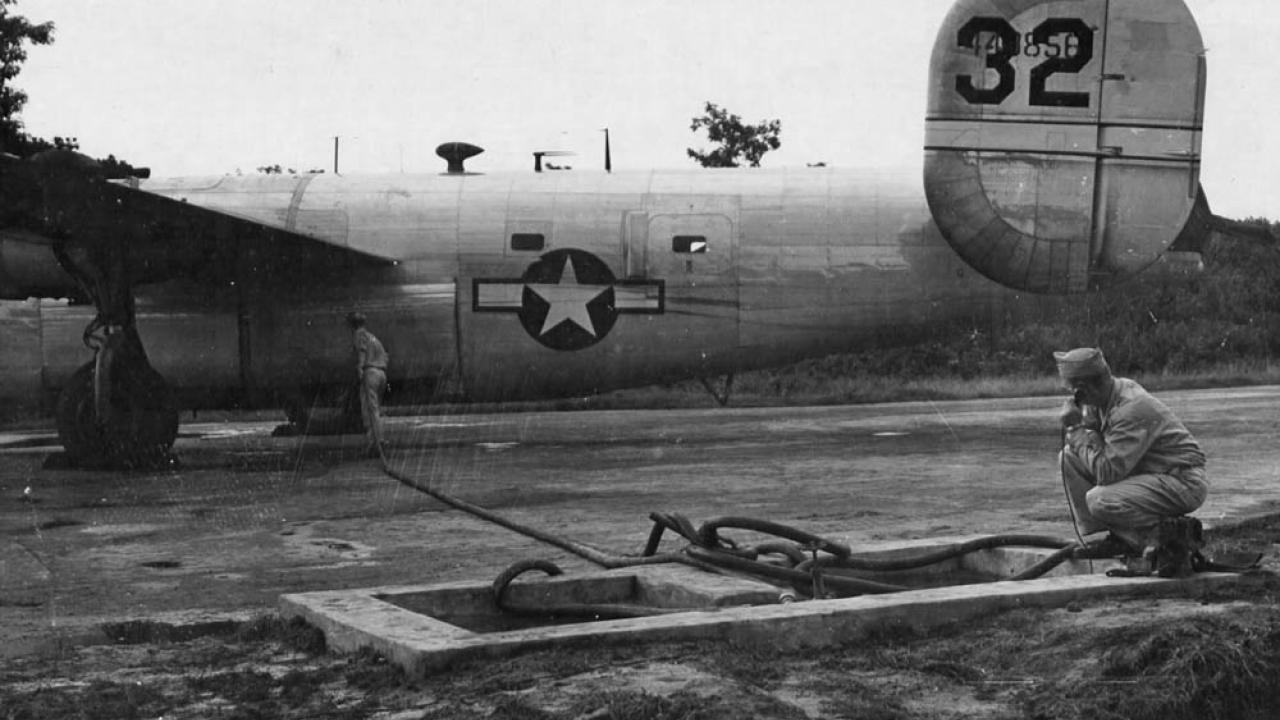
The US soldiers and Allied crews who passed through Dhaka during the war ended up fighting two battles at once—one in the air, against treacherous mountain winds, and one on the ground, against a disease older than any empire. Cut off from quinine, they swallowed Atabrine, stained their skin yellow, and trusted that the tablets would keep them alive long enough to fly again.
And in many cases, despite the chaos and complaints, the tablets did exactly that. The real enemy, it turned out, was not always carrying a rifle.
Ystiaque Ahmed is a journalist at The Daily Star. He can be reached at ystiaque1998@gmail.com.
Send your articles for Slow Reads to slowreads@thedailystar.net. Check out our submission guidelines for details.
Comments