


Is Bangladesh at risk of losing the election information war?


"I've made a solemn commitment to deliver an election that would stand out in terms of voter turnout, participation of new and women voters, global confidence in safety and security, and its festive atmosphere as a celebration of democracy and rule of law." - Chief Adviser Muhammad Yunus.
"In war, the result is never final." - Carl von Clausewitz
 For all latest news, follow The Daily Star's Google News channel.
 The current phase of Bangladesh's democratic journey that began with the August 2024 collapse of Sheikh Hasina's autocratic regime will culminate in the February 2026 general election. This election will do more than simply transfer power; it will demonstrate whether Bangladesh has renewed its democratic spirit after years of turbulence and deficit. The election will be judged not only by its procedural credibility, but also by the actual and perceived quantity and quality of public participation.
This reality and perception will also determine the next government's legitimacy. Supporters of the previous Awami League regime understand this and will do their best to undermine the legitimacy of the next government to increase their odds of returning to exact vengeance from those who ousted them. The Awami League and its supporters have deployed a ferocious disinformation and false propaganda campaign against the interim government for over a year. This campaign shows no sign of abating.
Their recent slogan of "No boat, no vote," which is being dramatically boosted across social media with advertising and coordinated amplification, has yet to be effectively challenged by a counter-narrative that distinguishes between the fugitive Awami League leadership and their supporters, whose right to vote has not been curtailed.
Put starkly, without an effective counter, the emerging dominant narrative at home and abroad risks becoming not one of democratic renewal, but of over-amplified Awami League disinformation, framing Bangladesh as a country trapped in mobocracy, societal disorder, and extortion. It is not simply the case that Bangladesh risks losing the information war, but more that it has unilaterally disarmed, with pro-democracy forces ceding the field to those driving the Awami League's narrative.
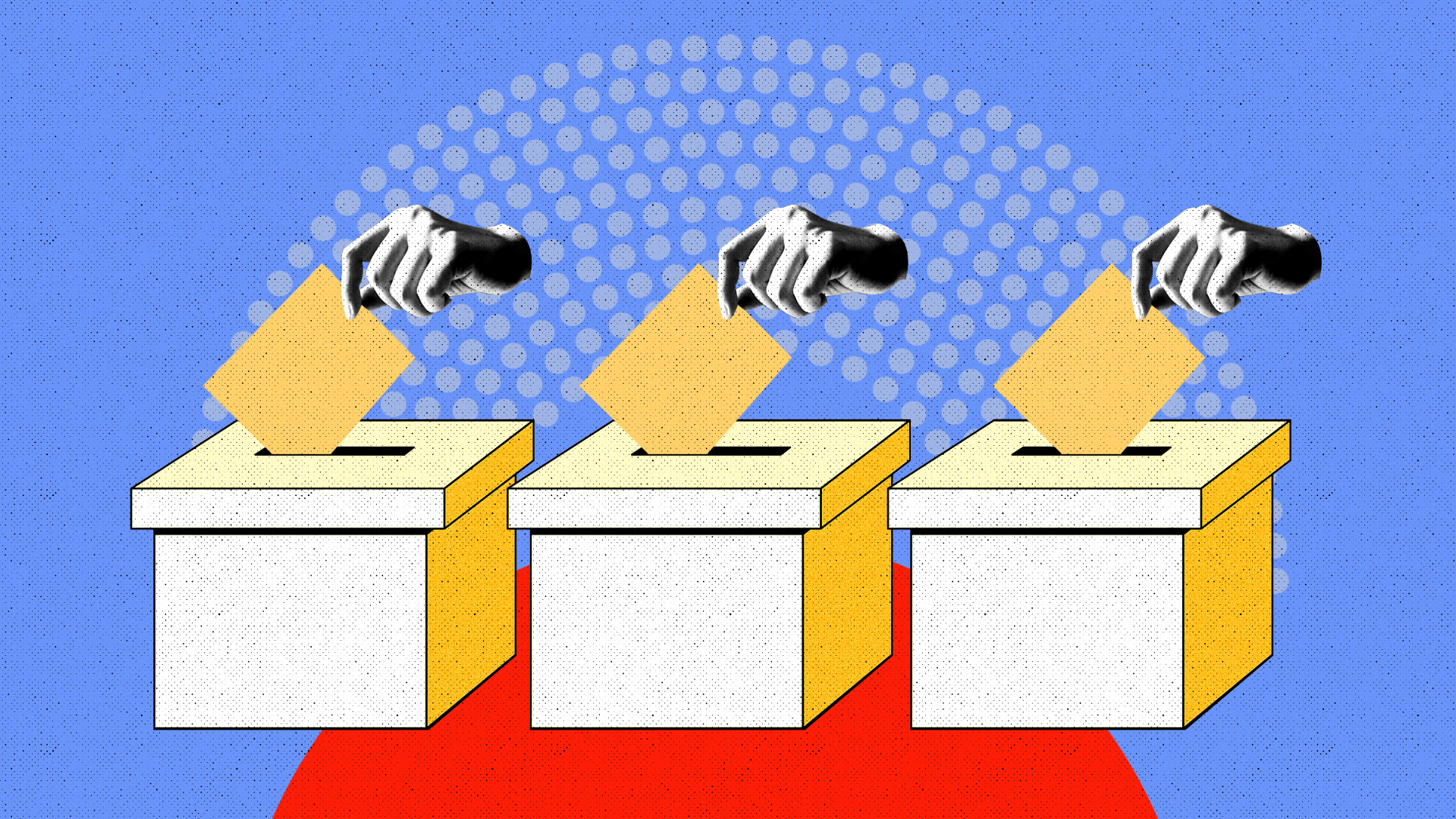
Right now, there exists no effective counter-narrative to stem the flow of disinformation and assure the Bangladeshi electorate that the February 2026 election will be different from before. To prevent this further erosion of hope and trust, and deliver a high-quality, high-turnout election, the interim government must convince voters that voting is safe, meaningful, and celebratory. Domestic and international observers will also be looking for signs that Bangladesh can deliver an election worthy of its people's aspirations and global democratic standards. The stakes could not be higher for the interim government and the political parties competing in the election, who hope to form the next government.
Public expectations are high, but fragile. Citizens, especially women, young people, minorities, and first-time voters, want to believe their voices matter. Yet, spoilers (again notably the Awami League and their international supporters) are using their considerable disinformation apparatus to disrupt the election preparation and frustrate the transition by sowing fear, apathy, and distrust.
While surveys consistently show overwhelming intent to vote, the vast majority of citizens will never see these findings; instead, they are influenced almost entirely by social media consumption. This is a massive vulnerability: with around 50 percent of the electorate still undecided, disinformation is already disproportionately shaping perceptions, fuelling apathy, and depressing turnout among volatile blocs such as youth, women, and urban voters.
Without a coordinated, well-resourced counter-narrative and campaign, the election risks being remembered not as a festival of democracy, but as yet another turn in an ongoing cycle of fear and division.
The 2026 general election is not just an administrative task; it is a historic opportunity to redefine Bangladesh's democratic identity. By delivering a safe, inclusive, and festive election, the interim government under Chief Adviser Muhammad Yunus can inspire its citizens, win global respect, and lay the foundation for a renewed democracy. Future governments and citizens will reap the dividends from the resources invested in ensuring the success of this transition.
This campaign is not optional; it is essential. It will transform voting from a procedural duty into a joyful act of nation-building, ensuring that Bangladesh rises from its democratic struggles with pride and hope. For Professor Yunus and pro-democracy forces, it is an opportunity to leave behind a legacy of global stature: to be remembered for delivering not only Bangladesh's most credible election, but one that the world will cite for decades as a model of democratic renewal. This is also the best way to honour the sacrifices of those who gave so much to restore democracy before and during the long July of 2024.
Jon Danilowicz is a retired US diplomat and independent foreign policy analyst. He currently serves as president of Right to Freedom, a Washington DC-based non-profit human rights organisation.
Views expressed in this article are the author's own.
Follow The Daily Star Opinion on Facebook for the latest opinions, commentaries, and analyses by experts and professionals. To contribute your article or letter to The Daily Star Opinion, see our guidelines for submission.
Comments