


Why we need self-reliant local governments


Every year, hundreds of municipalities across Bangladesh wait for approval from Dhaka before they can repair roads, install streetlights, or expand markets. These local government bodies remain caught in a cycle of dependency on central budget and oversight. Without a proper resource mobilisation strategy to generate and manage their own revenue, they are often unable to plan or deliver according to local priorities.
At present, holding tax and trade licence fees constitute the major sources of own revenue for most municipalities. While there are a few other local sources of revenue depending on individual municipalities, their overall income still depends heavily on central government grants and development allocations. Most of these, however, often remain underutilised because of poor assessment and collection, limited staff capacity, and weak systems for digital record-keeping. In many places, there is no reliable data on the number of houses or businesses in operation, which makes revenue collection uncertain and prone to leakage.
 For all latest news, follow The Daily Star's Google News channel.
 Enhancing local revenue generation is not merely about money; it is about proper governance and accountability. When citizens see their taxes and fees being used for visible improvements—better roads, clean drainage, functioning streetlights, etc—they are more likely to continue to pay. This trust creates a virtuous cycle: locally sourced revenue finances better services, which in turn increase compliance and participation. Strengthened local revenue also reduces the political vulnerability of municipalities that often depend on central allocations influenced by political alignment rather than need.
Equally, when local businesses see fair taxation and transparent use of funds, they are more inclined to formalise operations and invest locally. Strengthening municipal finances can improve fiscal autonomy and build transparency by linking taxes to service delivery. It can also ensure that local taxation data is immutably documented through digital systems, preventing manipulation and preserving the integrity of public records.

Simple but systematically employed tools can make a difference in this regard. For instance, municipalities can conduct periodic household surveys to identify unregistered holdings and assess the actual tax base within their jurisdictions. Similarly, economic surveys of local businesses can determine appropriate trade licence fees and reduce the scope for discretionary decision-making. For example, mapping and verifying properties through community engagement and basic digital tools can immediately expand the number of taxpayers. Once the data is updated, municipalities can introduce mobile payment systems such as bKash or Nagad, making it easier for citizens to pay dues without having to physically visit the office. This is not a costly transformation; it requires planning, transparency, and training rather than heavy technology investments.
The "local economic development" model provides a framework for aligning revenue generation with local growth. It encourages local governments, businesses, and communities to work together to stimulate the economy and create jobs suited to local realities. Instead of waiting for centrally financed projects, municipalities can design initiatives around their own comparative advantages. Partnerships with chambers of commerce, traders' associations, and industry bodies can also help update local business registries and improve compliance. Engaging sectoral associations—such as those in footwear, furniture, light engineering, agro-processing, and aquaculture—can ensure that revenue reforms align with actual business dynamics and do not discourage enterprise.
It is, therefore, not an isolated economic agenda; it is a pathway towards decentralisation. When towns and cities mobilise their own resources, they gain the autonomy to plan development according to local needs, not central directives. With accurate data and efficient collection systems, local governments can increase their revenue. By reinvesting these funds into local services such as solid waste management, street repair, and public lighting, municipalities can reduce wasteful spending, encourage innovation, and strengthen accountability to citizens.
Despite the potential, however, entrenched barriers continue to thwart progress. Many municipalities lack trained staff for assessment and collection. Corruption and informal payments remain common in trade licence renewals. There is also limited understanding of how to design fair, transparent, and citizen-friendly systems. These challenges underline the need for collaboration. To address them, the ICT Division and Local Government Division, supported by private technology firms and research partners, can introduce cloud-based revenue management platforms that are easy to use. Capacity-building initiatives for tax assessors and municipal officers, combined with citizen awareness campaigns, can also transform the culture of local revenue management.
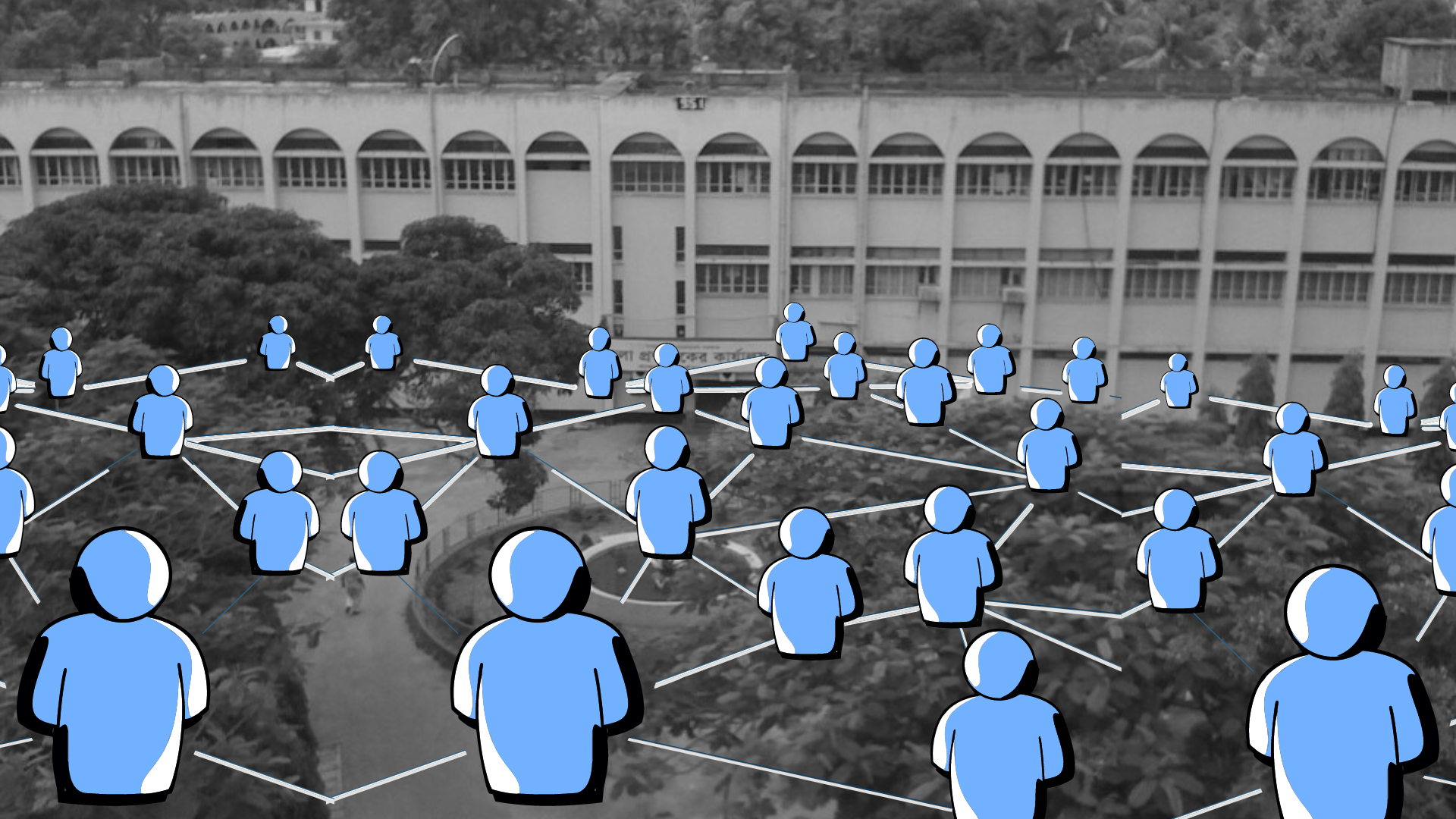
Currently, Bangladesh's political culture continues to treat Members of Parliament (MPs) as the main patrons of local development, even though mayors and upazila/union chairmen are the ones directly accountable to citizens. As a result, national elections receive far more attention and resources than local ones. Strengthening the fiscal independence of local government bodies can change this dynamic by giving real power where accountability lies.
Empowered municipalities can play a vital role in addressing issues such as rural-to-urban migration by creating employment opportunities closer to home. While disaster-prone or poorer areas will continue to inspire internal migration, people in general are less likely to migrate when they can earn a living in their own towns. This vision of self-reliant local government also aligns with our broader agenda of decentralisation and inclusive growth. This is not about replacing central support but about using and supporting it strategically to build sustainable return systems. Local governments should be encouraged to innovate, experiment with digital tools, and link taxation with tangible public benefits.
When a mayor can finance a community centre or market renovation through locally collected revenue, it is not just administrative efficiency; it is democracy in action. Strengthening municipal revenue generation is therefore not only a financial necessity but also a political reform. It restores balance between the centre and the local, between authority and accountability, and ultimately between promise and performance in Bangladesh's development journey.
GM Saiful Islam is a development professional specialising in local governance, urban planning, and results-based management.
Views expressed in this article are the author's own.
Follow The Daily Star Opinion on Facebook for the latest opinions, commentaries, and analyses by experts and professionals. To contribute your article or letter to The Daily Star Opinion, see our guidelines for submission.
Comments